Barnawa Kaduna, Nigeria
Naija Heritage Collections Nigerian Heritage Collections
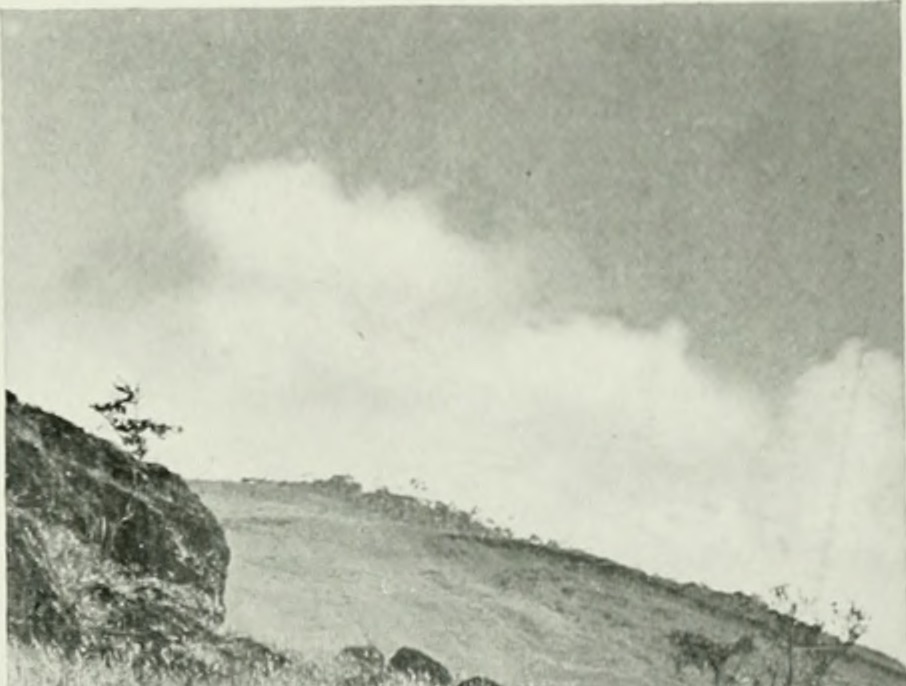
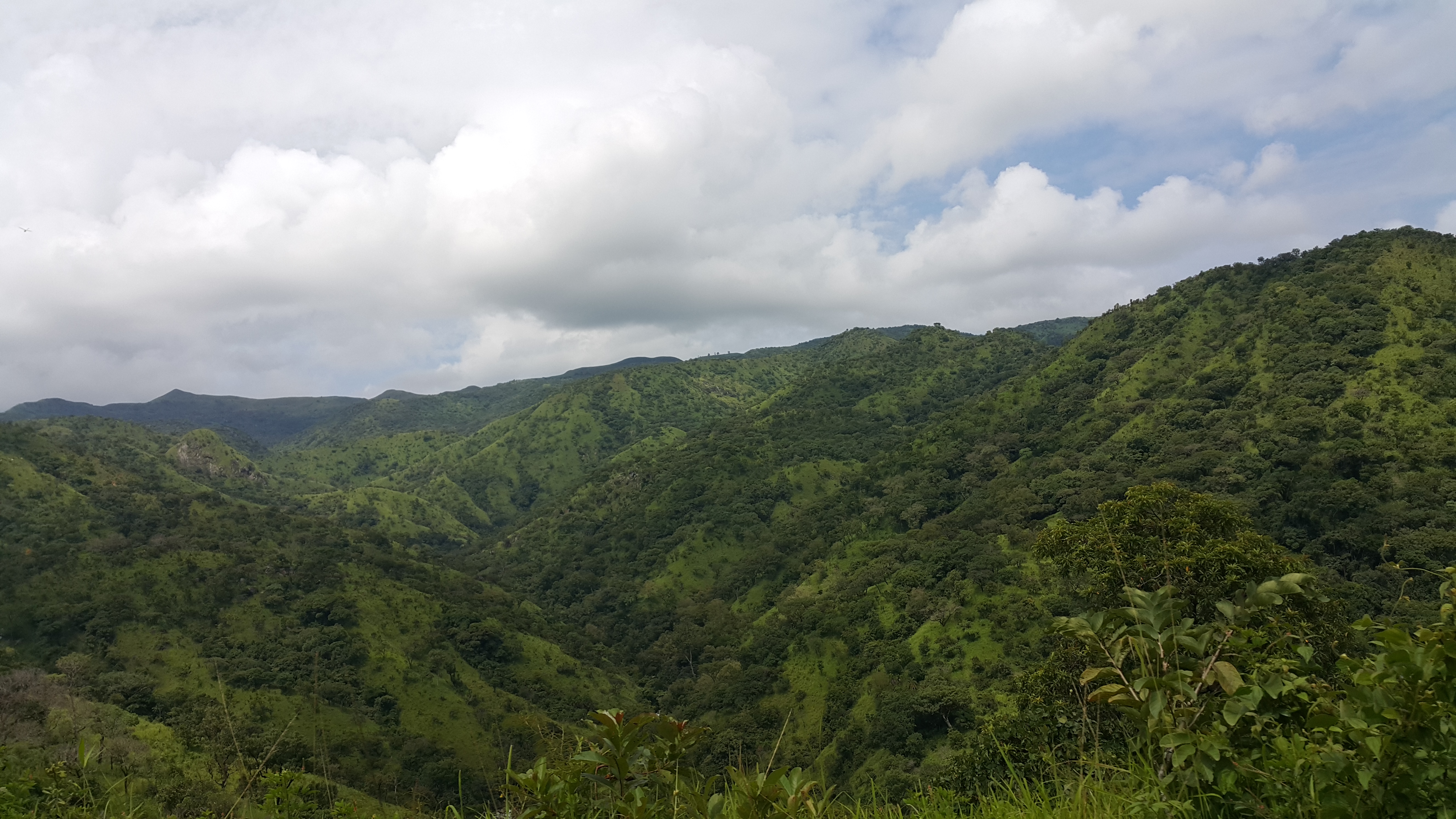
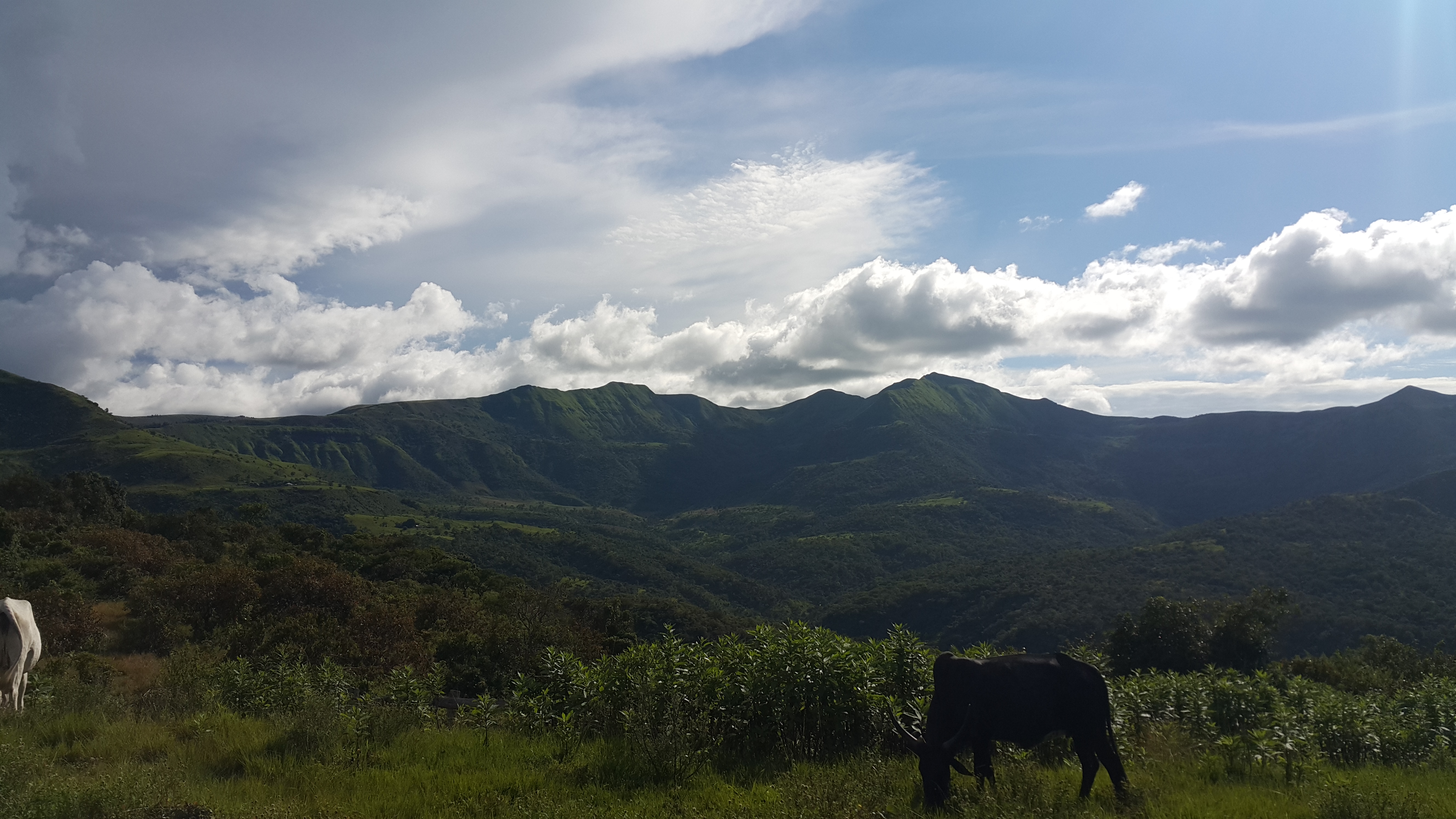
Plateau landscape
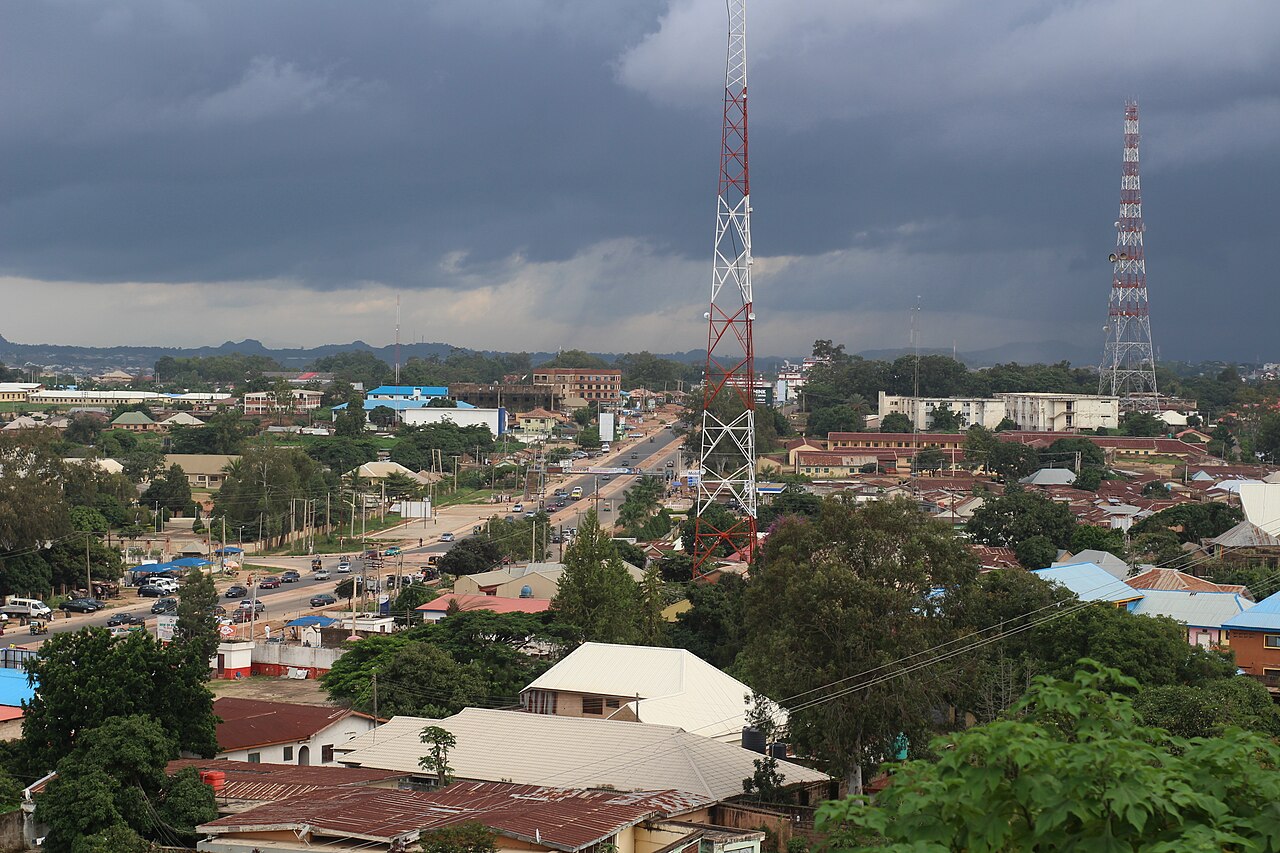
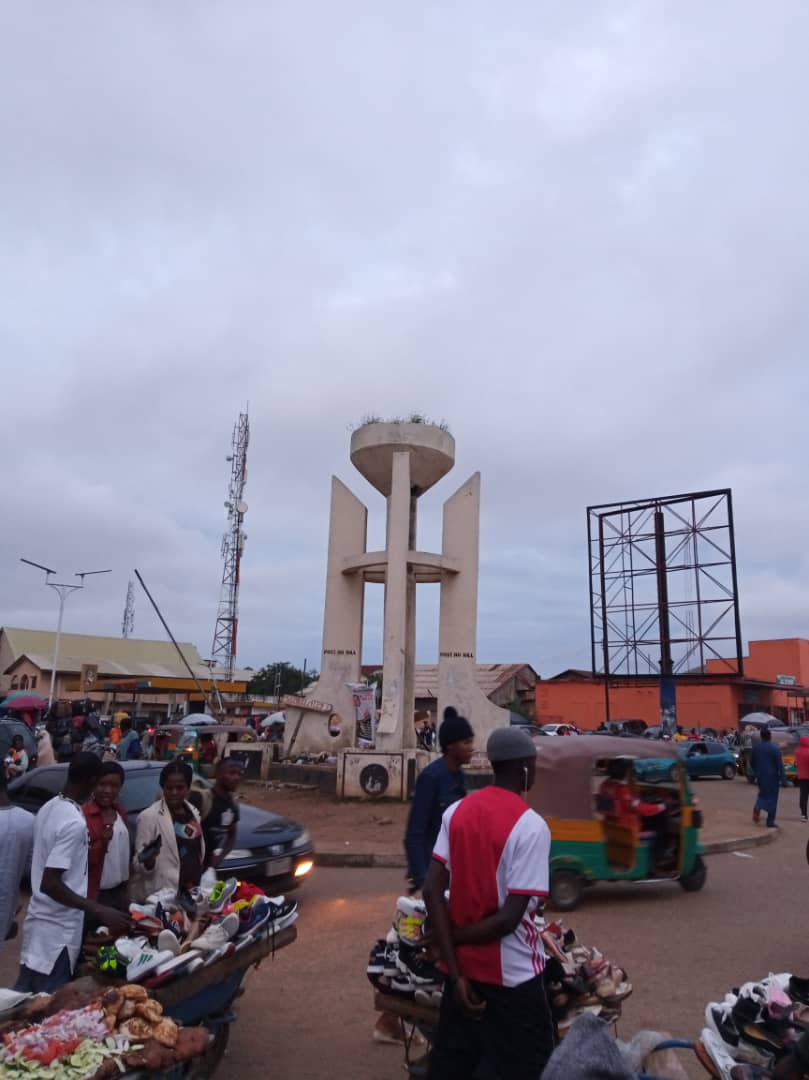
Jos city
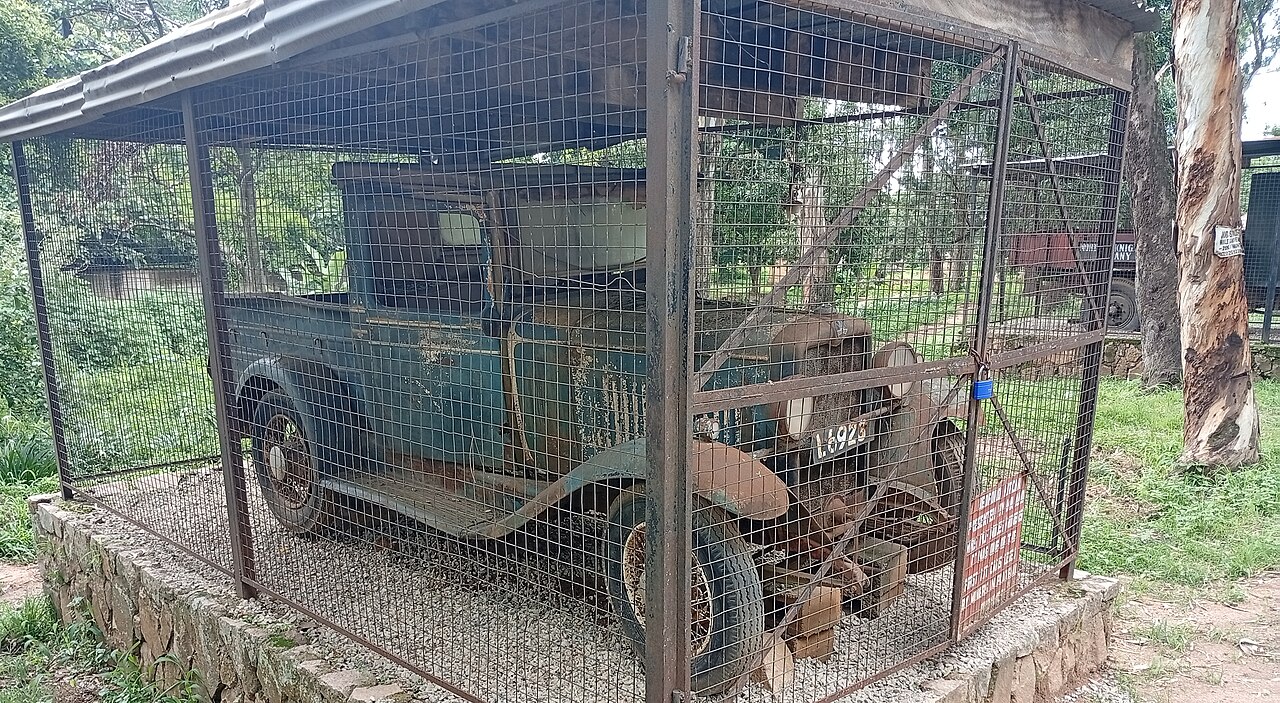
National Museum Jos
Shere Hills
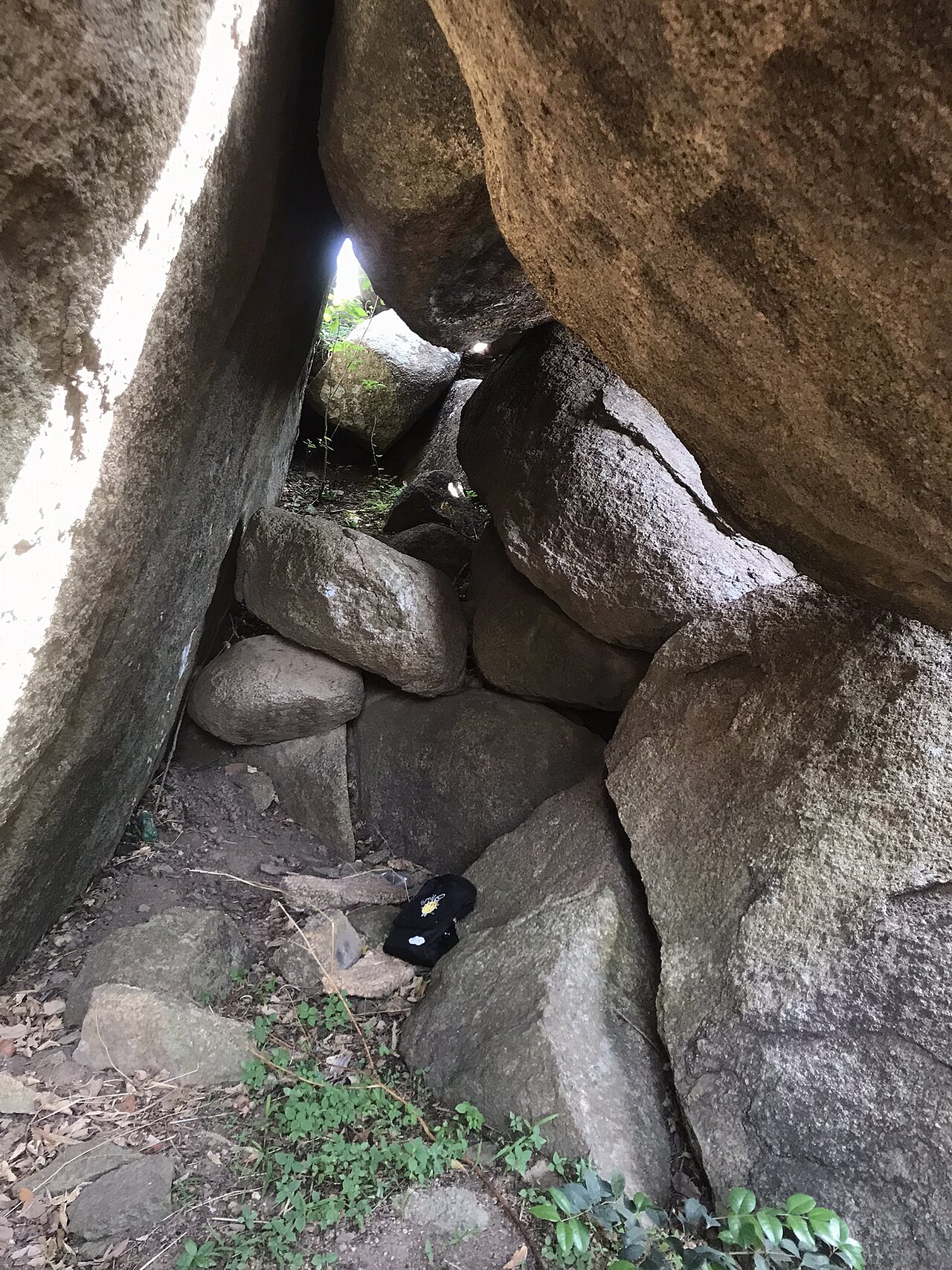
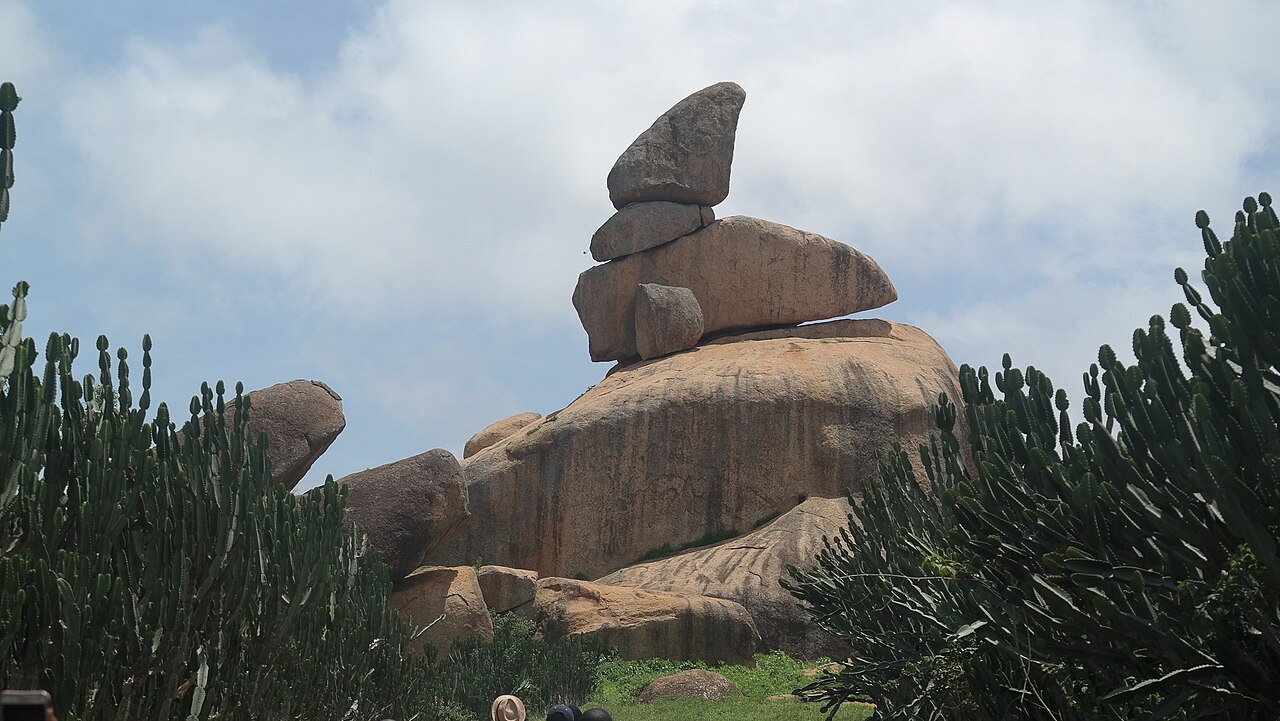
Riyom Rocks
North Central · Plateau

Plateau State

Home of Peace and Tourism

Where the air thins, the rocks stand up, and Nigeria catches its breath.

State at a glance
Capital
Jos
Created
3 Feb 1976
Zone
North Central
Population
About 4.5 million (census estimates vary)
Land area
About 30,913 km²
Rivers & geography
Headwaters feeding the Kaduna, Gongola, and Benue systems
The story behind the state

Highlands of tin, apples, and many tongues

Plateau State was created on 3 February 1976 from Benue-Plateau, with Jos as capital. The Jos Plateau is a highland of cooler air, volcanic rocks, and a mosaic of peoples — Berom, Afizere, Anaguta, Tarok, Goemai, Mwaghavul, Hausa, Fulani, and many more. Tin mining in the colonial twentieth century remade Jos into a cosmopolitan camp-city; the mines are mostly memory, the hills remain.

Nasarawa was carved away in 1996. The slogan Home of Peace and Tourism names an aspiration that communal crises have sometimes broken; an honest account holds the scenery and the wounds together. Shere Hills, Riyom Rocks, the National Museum Jos (with Nok terracottas in its published collections), and the Jos Wildlife Park are the visitor map. Kurama, mining ponds, and apple-and-vegetable farms add a temperate-crop novelty in tropical Nigeria.

Heritage is geological and plural. No single emirate owns the plateau, though palaces and chiefs abound. Tourism here is weather, rock, and museum — not invented documentary photographs of 'lost white civilisations.' The terracottas are African, the tin was industrial, the peace is work.
Where did its name come from?
The state is named for the Jos Plateau, a straightforward English geographic title. Jos itself is often explained as a shortening of a local hill name (such as Gwosh) heard by early miners and map-makers — a plausible contact etymology, not a sacred riddle.

Plateau, as a 1976 state name, simply means: this government sits on the high tableland.
History

A timeline you can follow

Nok-related millennia · Terracotta hinterland

The wider plateau-and-Kaduna uplands are associated with Nok culture finds; museum pieces are the lawful way to see them.

Terracotta hinterland
1900s–1960s · Tin rush

Colonial tin mining made Jos a cosmopolitan highland town of rail, camps, and companies.

Tin rush
1976 · Plateau State created

3 February 1976, with Jos as capital.

Plateau State created
1996 · Nasarawa excised

The map shrank; the highland core remained.

Nasarawa excised
2001 onward · Crises and recovery

Inter-communal violence scarred Jos at several documented moments. Peace remains a civic project, not only a slogan.

Crises and recovery
2000s– · Tourism brand

Rocks, weather, museums, and festivals were promoted as the Home of Peace and Tourism.

Tourism brand
Peoples & cultures

Berom. A major indigenous people of the Jos area, with a paramount ruler (Gbong Gwom Jos).

Berom

Afizere (Jarawa) and Anaguta. Hill neighbours of Jos with their own chiefdoms.

Afizere (Jarawa) and Anaguta

Tarok, Goemai, Mwaghavul, and others. Peoples of the central and southern plateau and lowlands.

Tarok, Goemai, Mwaghavul, and others

Hausa, Fulani, and mining-era migrants. Town communities of Jos and the tin economy's cosmopolitan residue.

Hausa, Fulani, and mining-era migrants
Traditional kingdoms & rulers

Jos (Gbong Gwom) and Berom stools. A modern paramountcy over Berom districts, prominent in the capital.

Jos (Gbong Gwom) and Berom stools

Chiefdoms of Afizere, Anaguta, Mwaghavul, Tarok, Goemai. A constellation of traditional authorities rather than one plateau empire.

Chiefdoms of Afizere, Anaguta, Mwaghavul, Tarok, Goemai

Lowland emirates/chiefdoms (e.g. Wase, Shendam related). Southern and eastern districts with different political histories from Jos town.

Lowland emirates/chiefdoms (e.g. Wase, Shendam related)
Geography

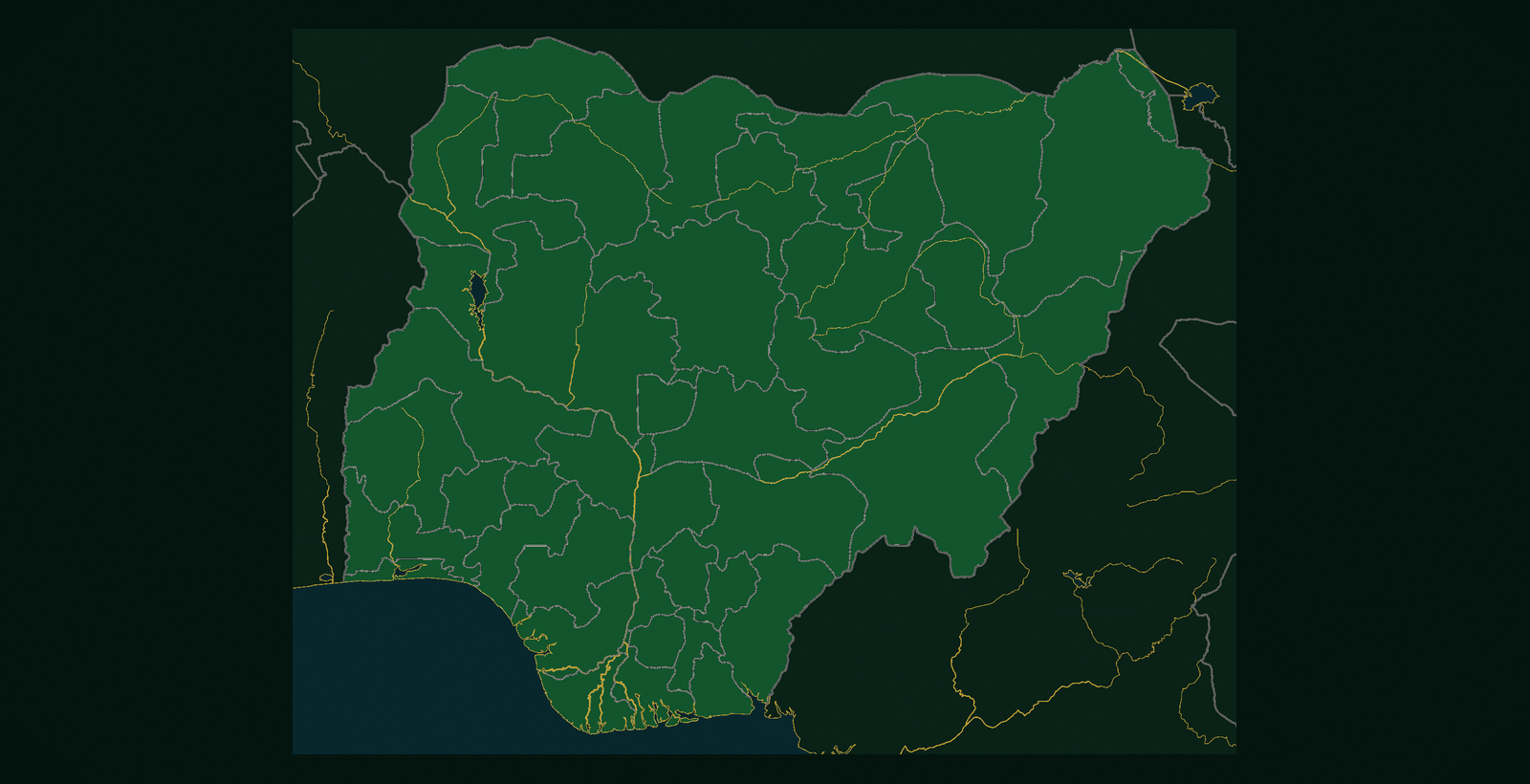
The land under the silhouette

The Jos Plateau is a high granite and volcanic upland, cooler than most of Nigeria, with inselbergs, grasslands, and eucalyptus plantations from the mining era. Rivers begin here and run out to drier plains.

The south drops toward Nasarawa and Taraba. The climate supports temperate vegetables unusual in the country. Mining ponds and eroded tin lands are part of the industrial geology.

Neighbours: Kaduna, Bauchi, Taraba, and Nasarawa

Watch the story

The Story of Plateau in 3 Minutes

A 2–3 minute faceless mini-documentary will live here. Editors can embed a YouTube film from the steward desk. Until then, the still maps and the written story carry the heritage.

Hear the story

Listen to Plateau

Audio narration (about 2–3 minutes) can be uploaded by an editor. Suggested opening: “Long before modern Nigeria existed, the lands we now call Plateau…”

Through the lens of history

Photographs with caption, date and credit

No archival photograph has been verified for this page yet. We do not invent historical images. Stewards can add credited photographs from the dashboard.

Places you should know

Travel Plateau

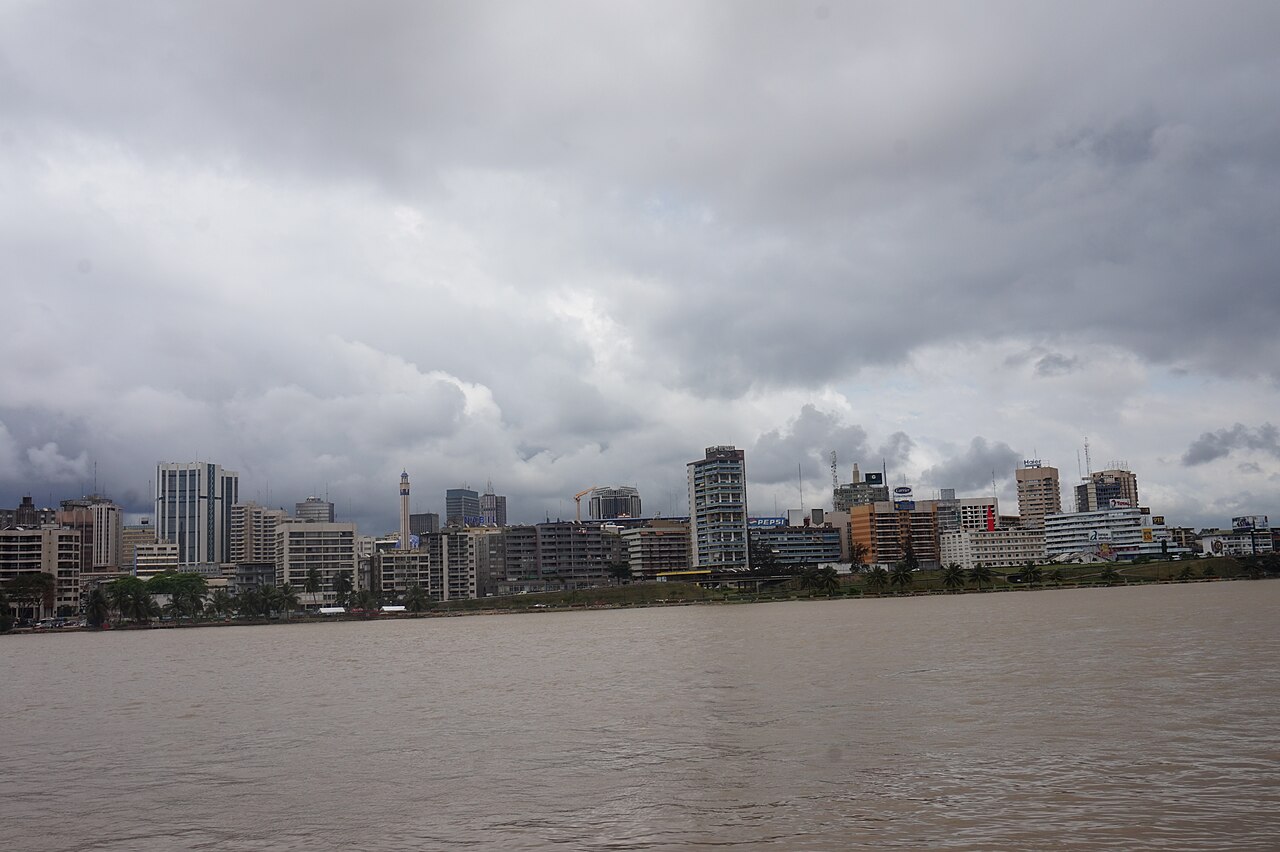
Jos city

Jos city

Jos

Highland capital of museums, markets, and mining memory.

Political and tourism centre.

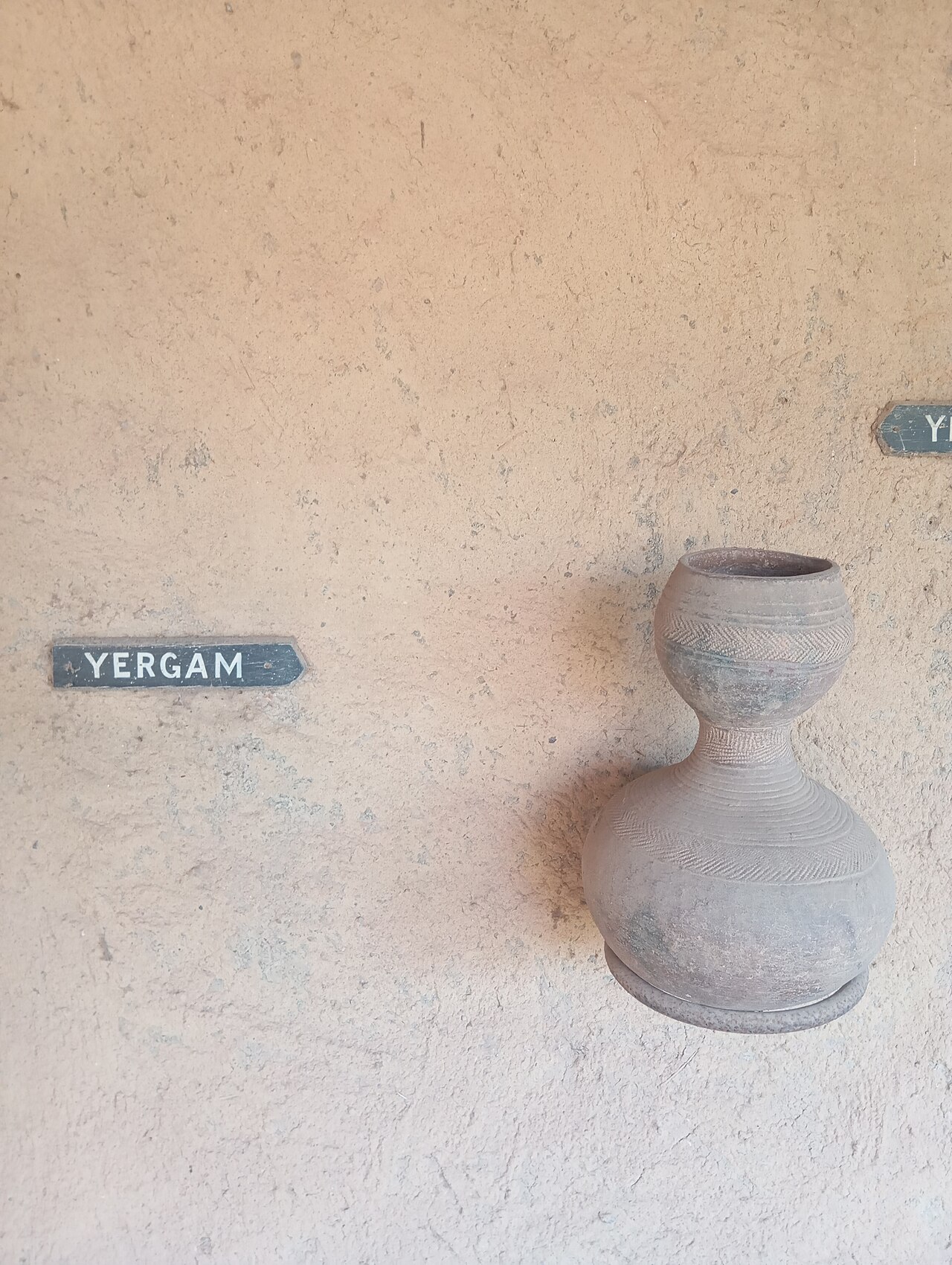
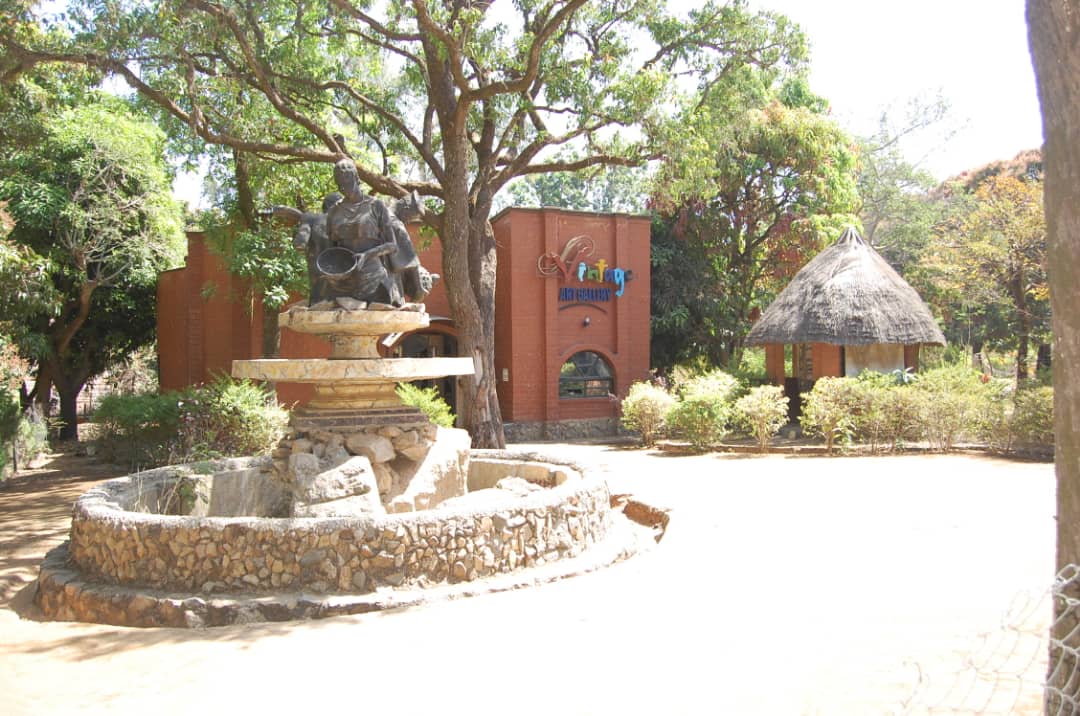
National Museum Jos

National Museum Jos

Jos

A major national museum, known especially for Nok and other archaeological displays.

One of Nigeria's most important public collections.

Shere Hills

Shere Hills

Near Jos

High hills used for hiking and views.

Jos Plateau scenery at its most dramatic.

Riyom Rocks

Riyom Rocks

Riyom

Photogenic balancing and standing rocks.

A natural monument of the southern plateau edge.

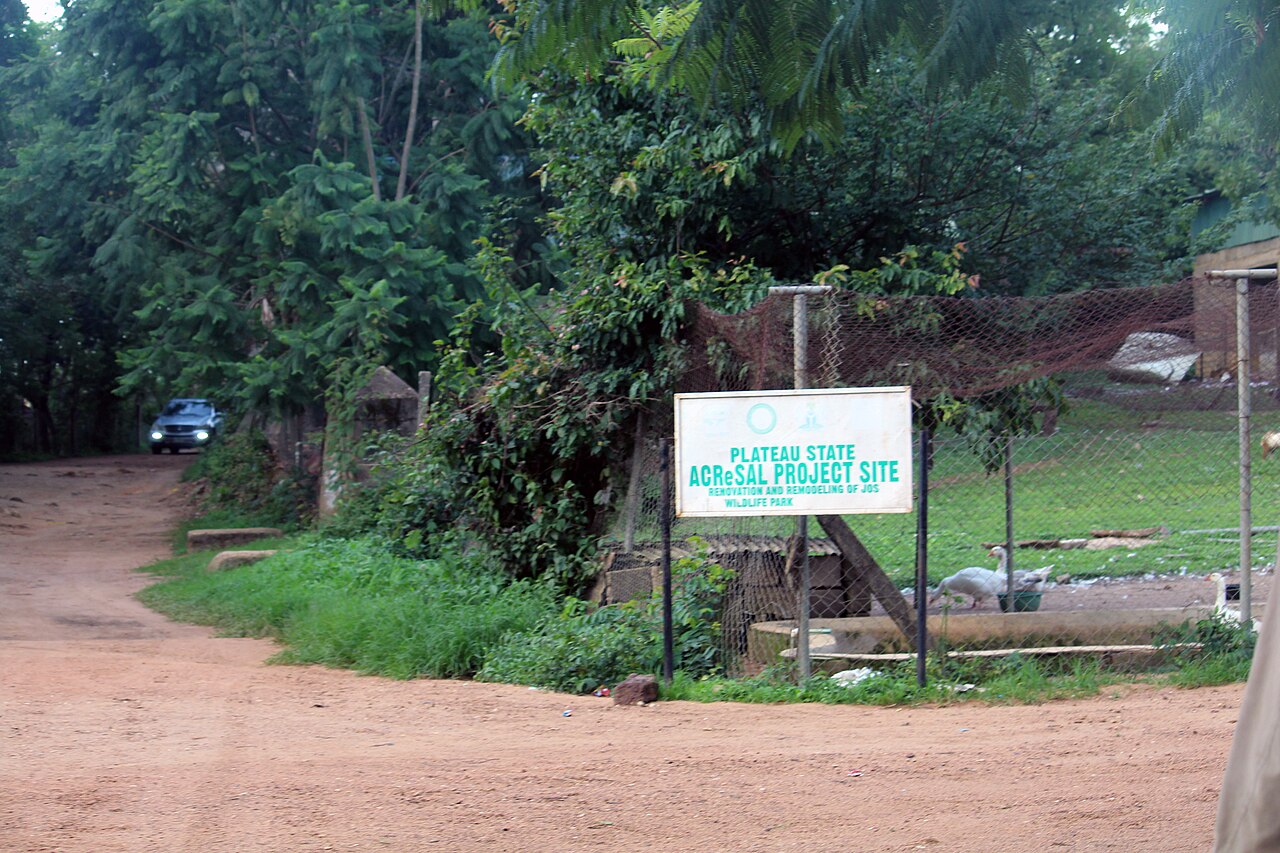
Jos Wildlife Park

Jos Wildlife Park

Jos

A long-established zoo-and-park of the capital.

Family tourism landmark.

Kurra Falls / mining landscapes

Kurra Falls / mining landscapes

Barkin Ladi area

Water and old hydro/mining country of the tin era.

Industrial-natural heritage of the plateau.

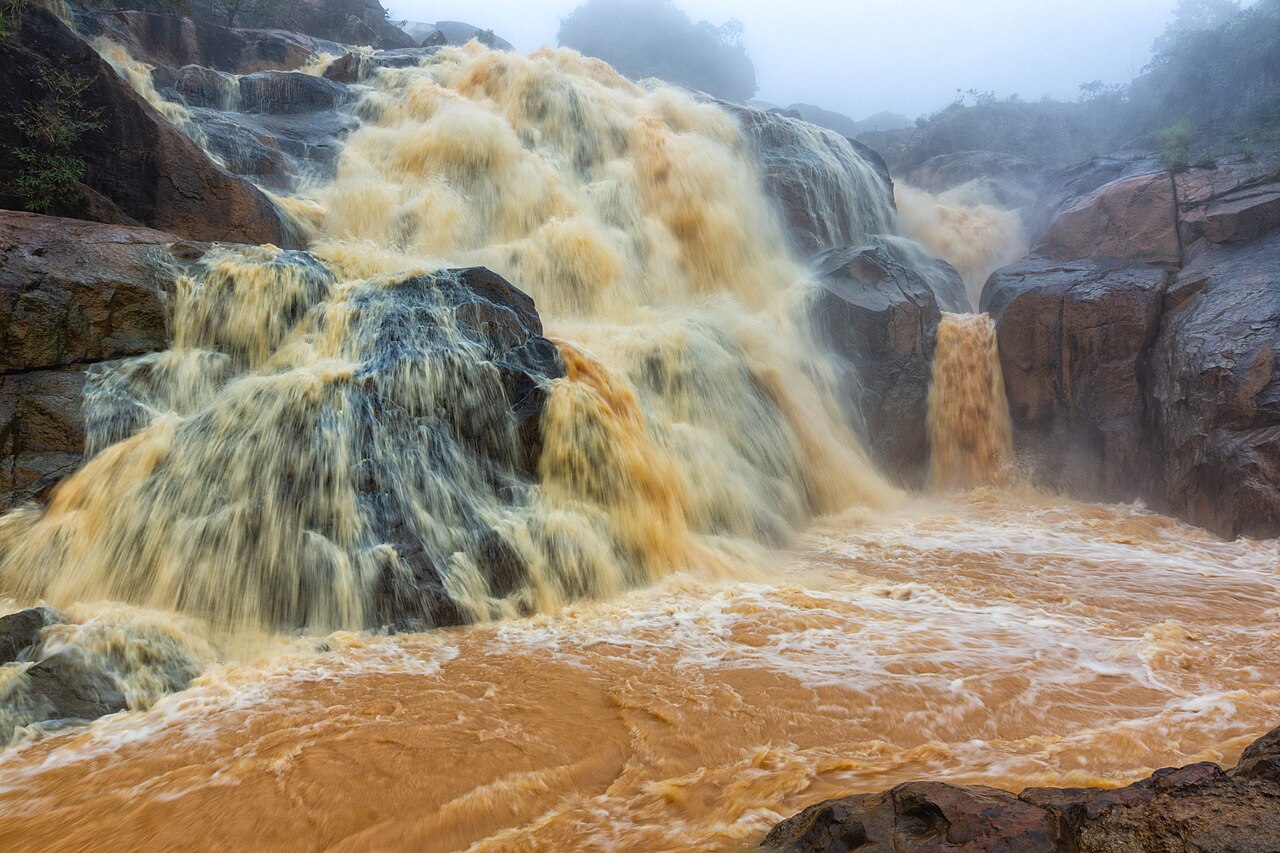
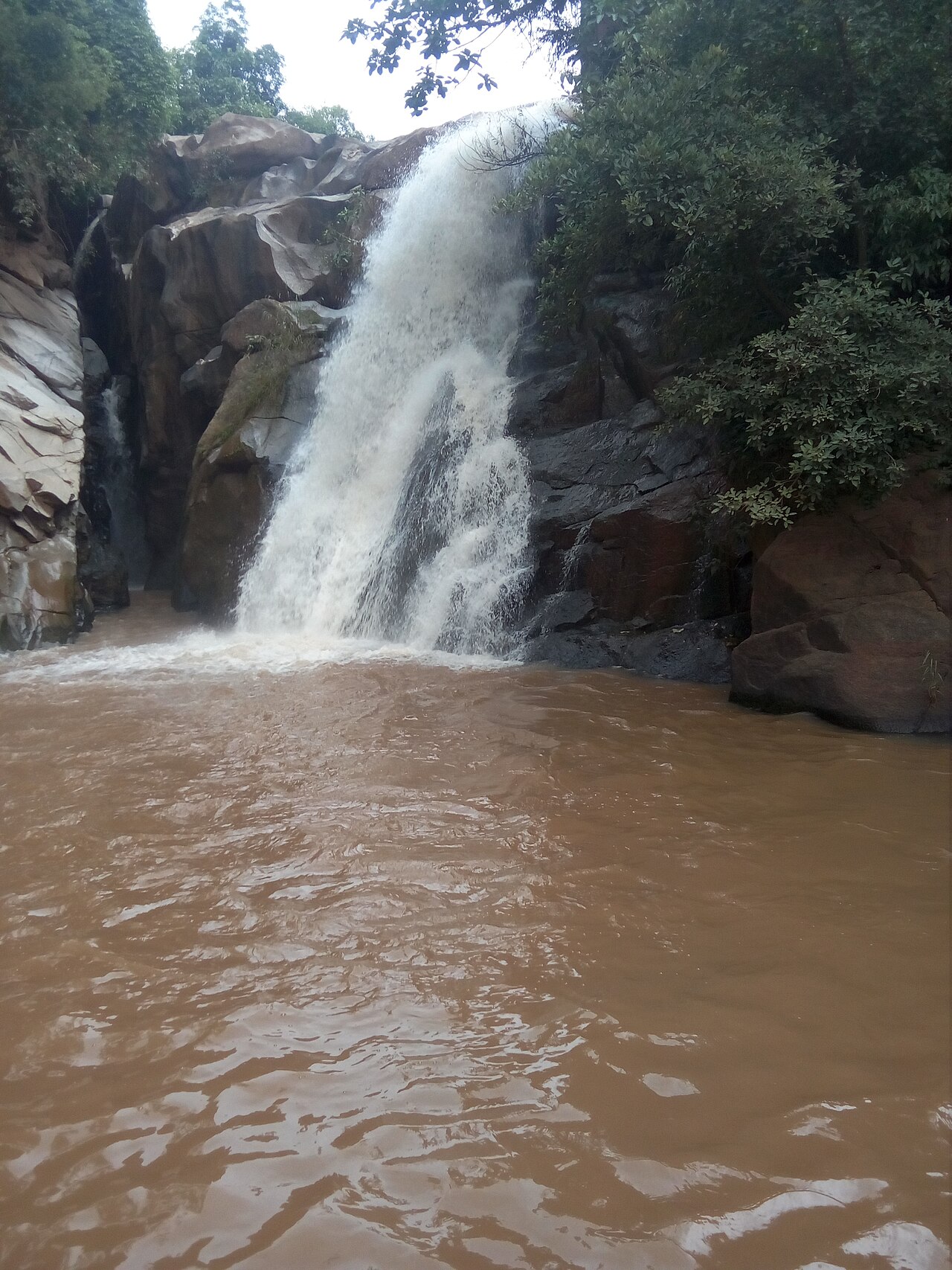
Assop Falls

Assop Falls

Toward the Nasarawa escarpment

A waterfall on the plateau's drop.

A popular excursion site.

Taste Nigeria

What does this state taste like?

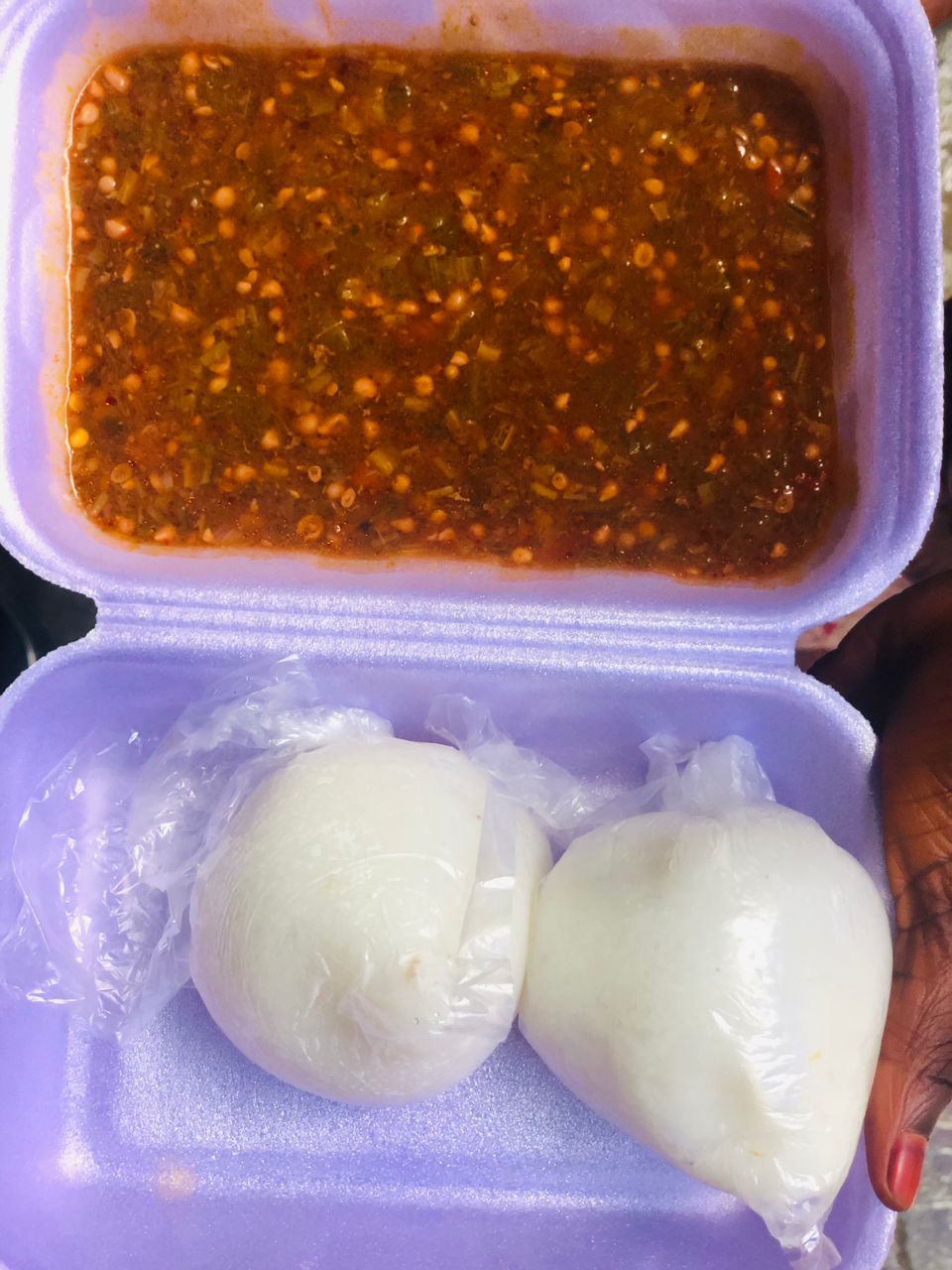
Plateau vegetable and potato meals

Plateau vegetable and potato meals

Ingredients. Irish potatoes, highland vegetables, stews

Significance. The cool-climate farm plate of Jos markets.

Traditionally eaten: Daily

Tuwo and northern soups in town

Tuwo and northern soups in town

Ingredients. Grain dumplings, leaf soups

Significance. Jos's mixed highland-northern kitchen.

Traditionally eaten: Main meals

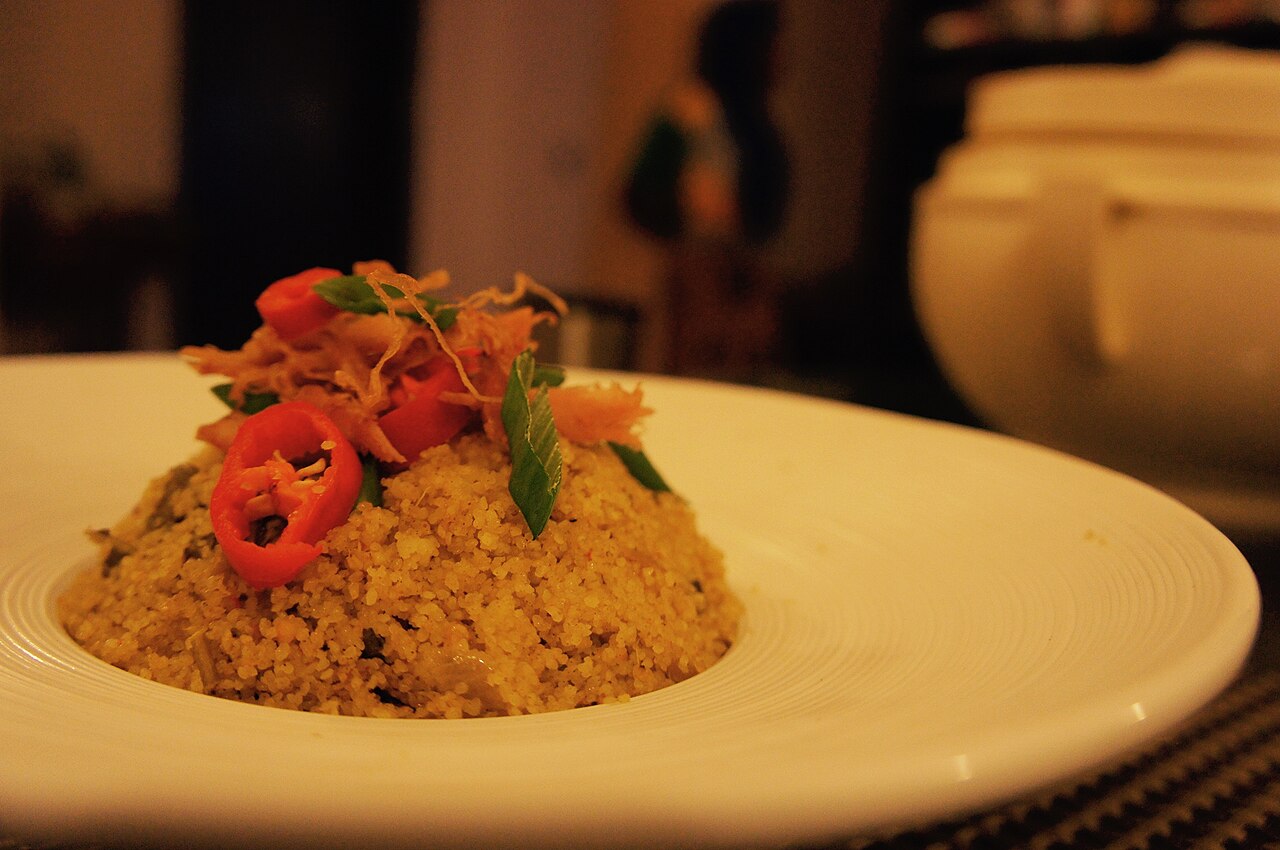
Berom and other local soups with yam or acha (fonio)

Berom and other local soups with yam or acha (fonio)

Ingredients. Acha, yam, vegetables, meats

Significance. Indigenous highland grains and pots.

Traditionally eaten: Family and festival meals

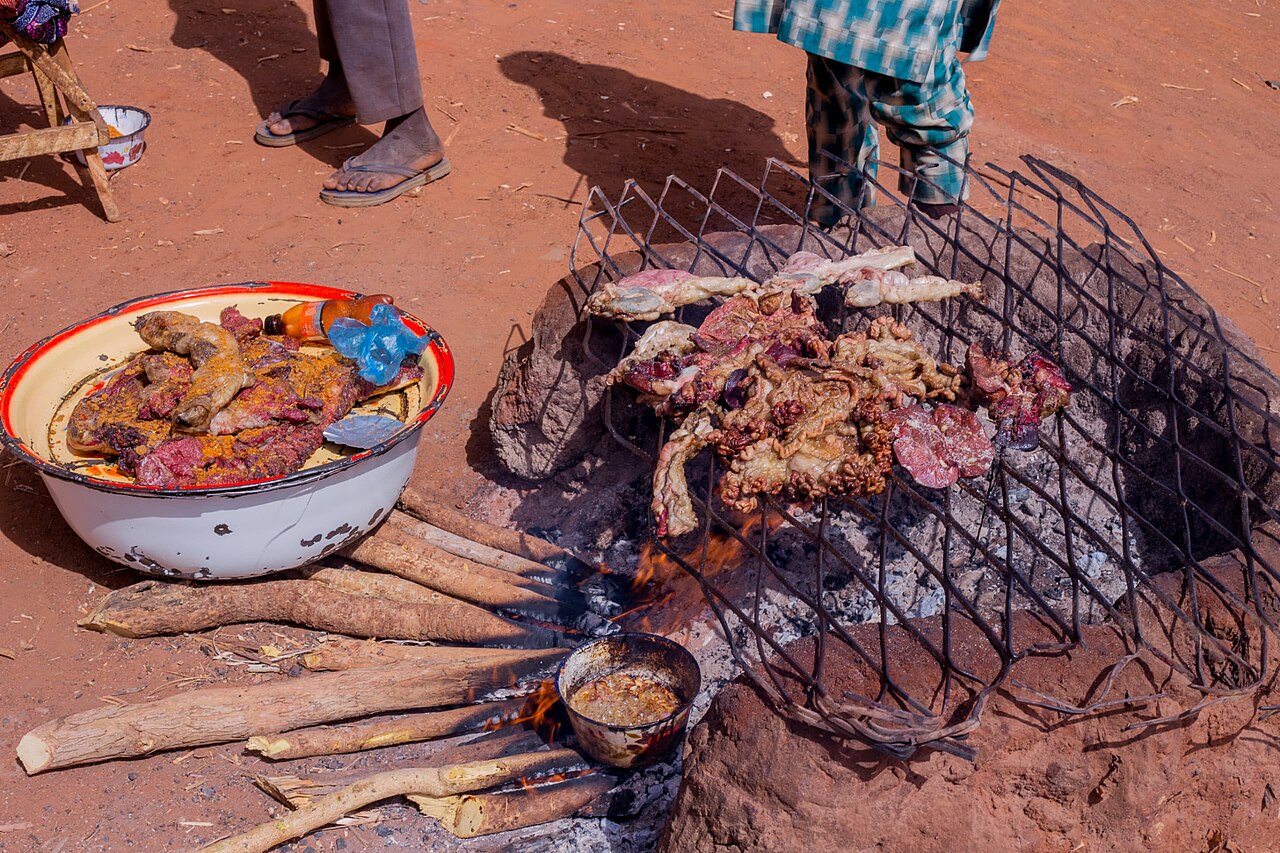
Grilled meats and market snacks

Grilled meats and market snacks

Ingredients. Suya, roasted maize, fruits

Significance. Tourism-town eating.

Traditionally eaten: Anytime

Every state has a story. Sometimes, you can taste it.

Nigeria is alive with culture

Festivals & living culture

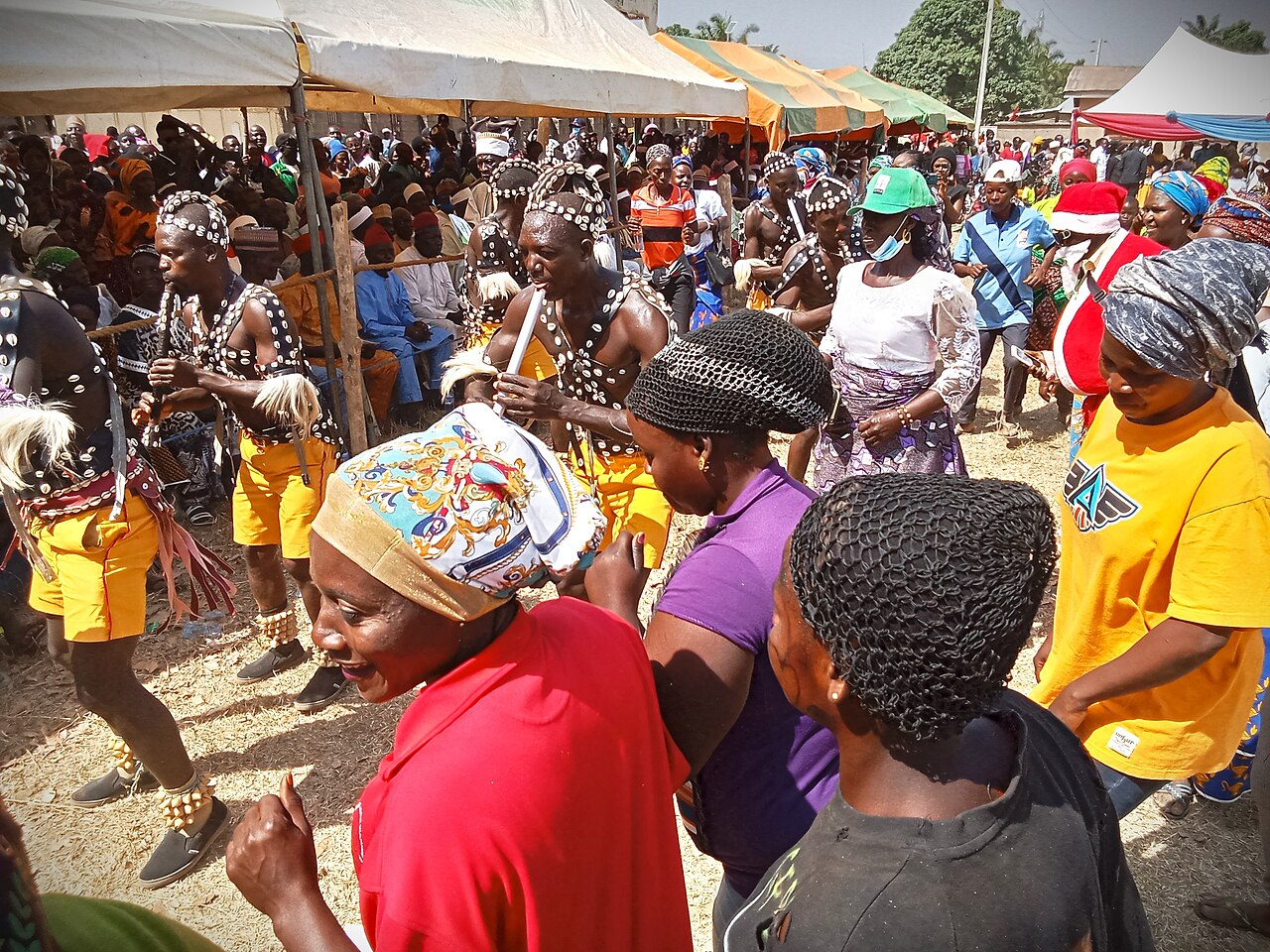
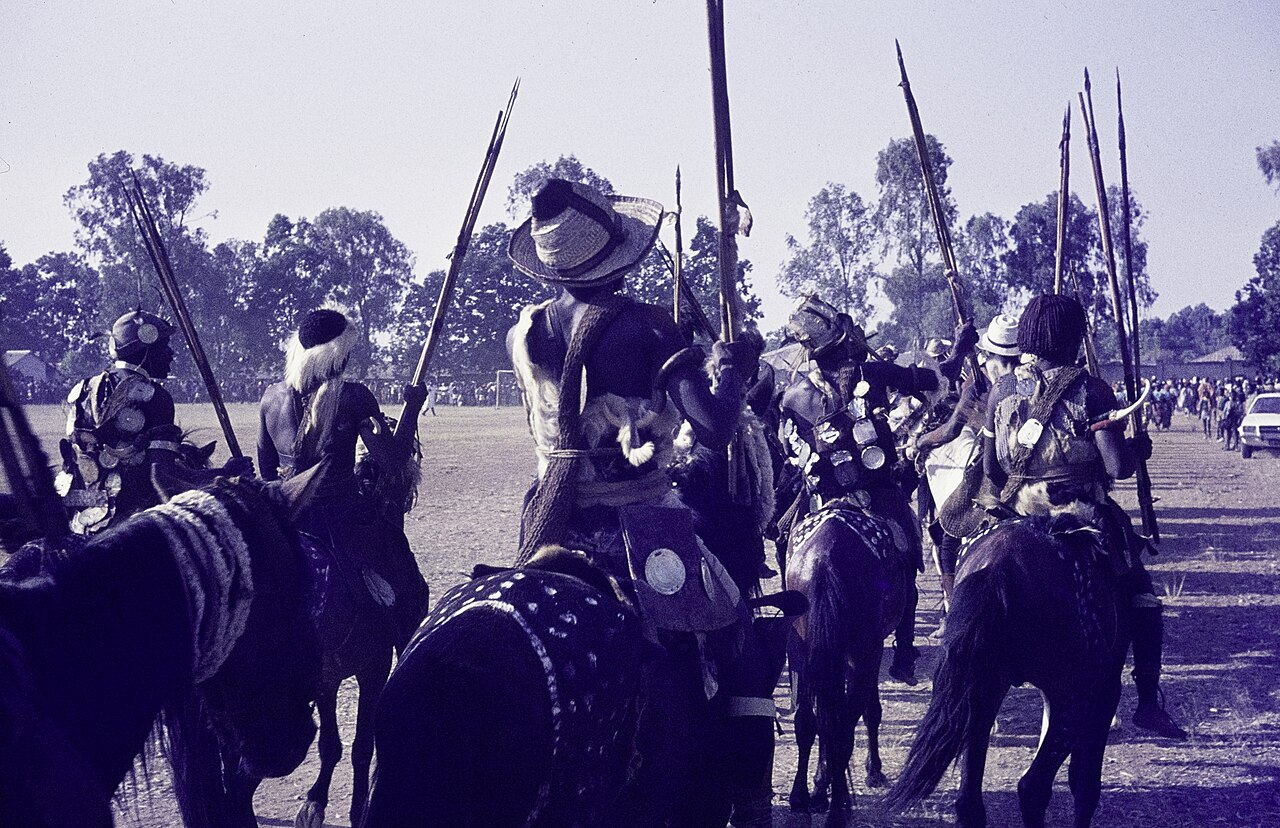
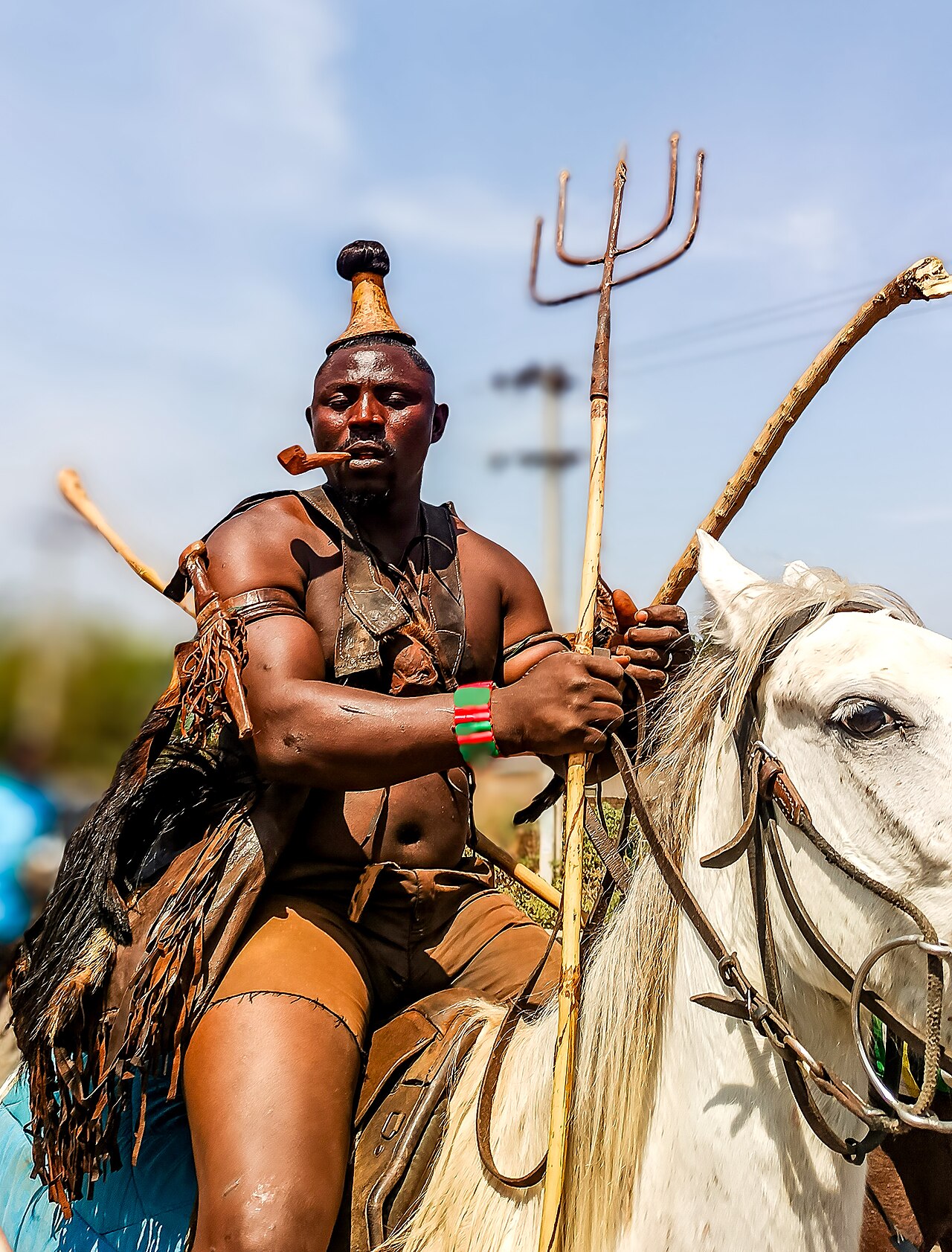
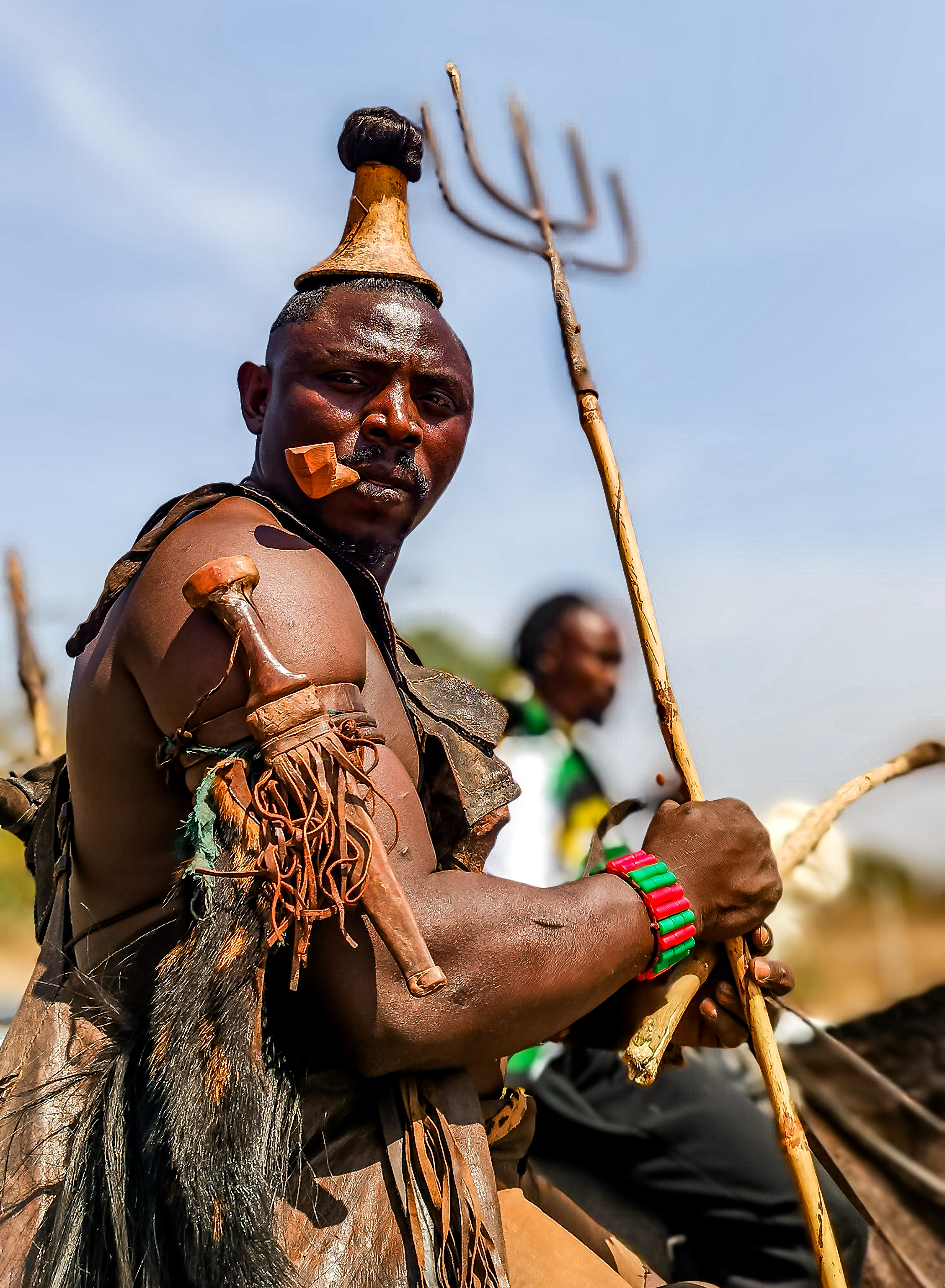
Nzem Berom

Nzem Berom

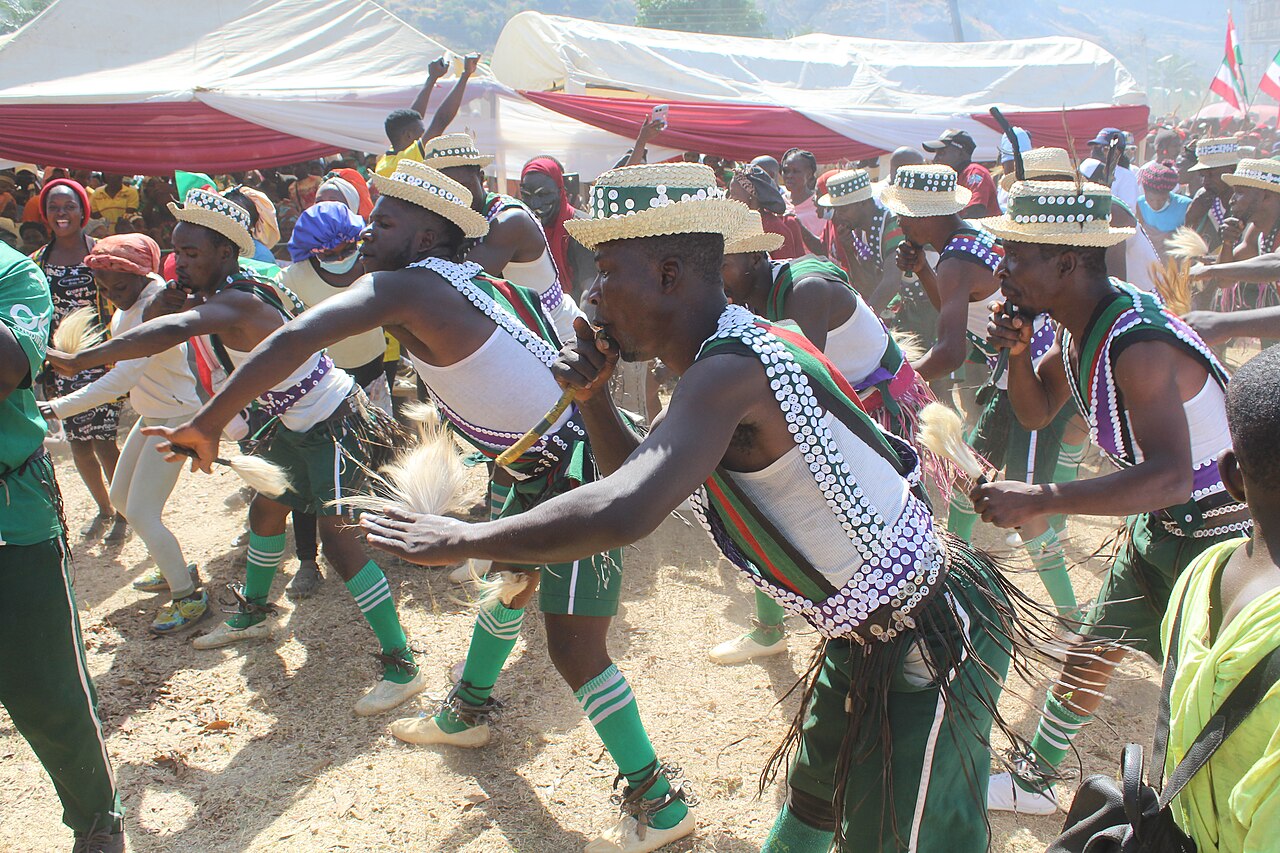
A major Berom cultural festival of dance, hunting display, and identity in the Jos area.

Pus Kat / Afizere cultural festivals

Pus Kat / Afizere cultural festivals

Chiefdom festivals of Jos's neighbouring indigenous peoples.

Tarok, Goemai, and lowland festivals

Tarok, Goemai, and lowland festivals

Harvest and masquerade calendars of the south and east.

Christmas in Jos

Christmas in Jos

A highland December of returns, churches, and cool air — a long-standing visitor season.

Arts & crafts. Plateau arts are many: Berom dance and costume, tin-era cosmopolitan music, museum archaeology, and contemporary Jos painting. Nok terracottas in the museum are the deep-time headline. Rock forms at Riyom need no sculptor. Do not import 'ancient Mediterranean miners' myths; the documented story is African peoples plus a colonial tin industry.

Historical treasures. The highland climate, museum collections, rock landscapes, and minority languages are the treasures. Tin ponds are industrial ruins. Peace is the treasure the slogan names — rebuild it as carefully as any monument.

How well do you know Plateau?

11 questions from this page

1. What is the capital of Plateau?
2. Which geopolitical zone includes Plateau?
3. Which nickname is widely used for Plateau?
4. When was Plateau created as a state (or designated as FCT)?
5. A well-known place associated with Plateau is:
6. A traditional food linked with this heritage page is:
7. A major people or cultural community here is:
8. A festival or living tradition on this page is:
9. Jos is best known geographically as a city on what landform?
10. The National Museum in Jos is especially associated with displays of which ancient art?
11. Nzem Berom is a cultural festival of which people?
Build Nigeria Piece by Piece™

Collect the physical story

Plateau State Fridge Magnet · GBP 8.00

Each magnet carries a QR code that returns you here as a Heritage Explorer.

COLLECT PLATEAU →