Barnawa Kaduna, Nigeria
Naija Heritage Collections Nigerian Heritage Collections
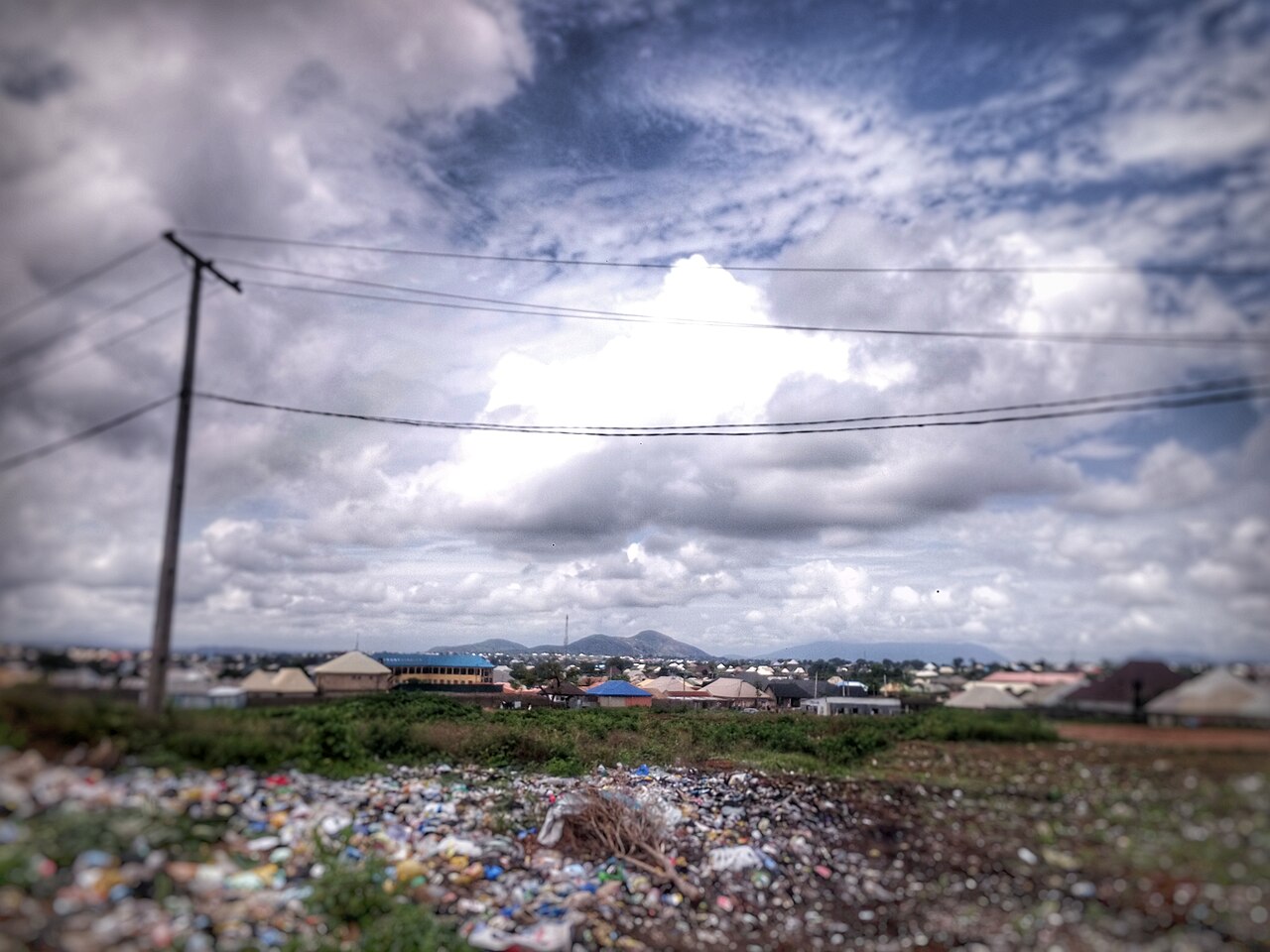
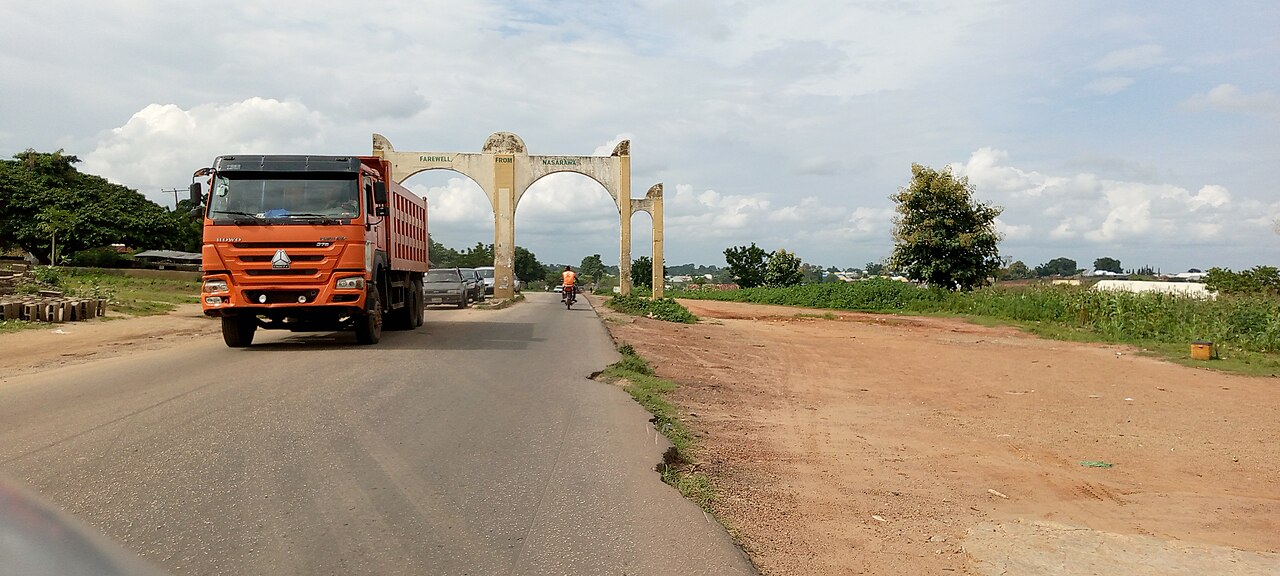
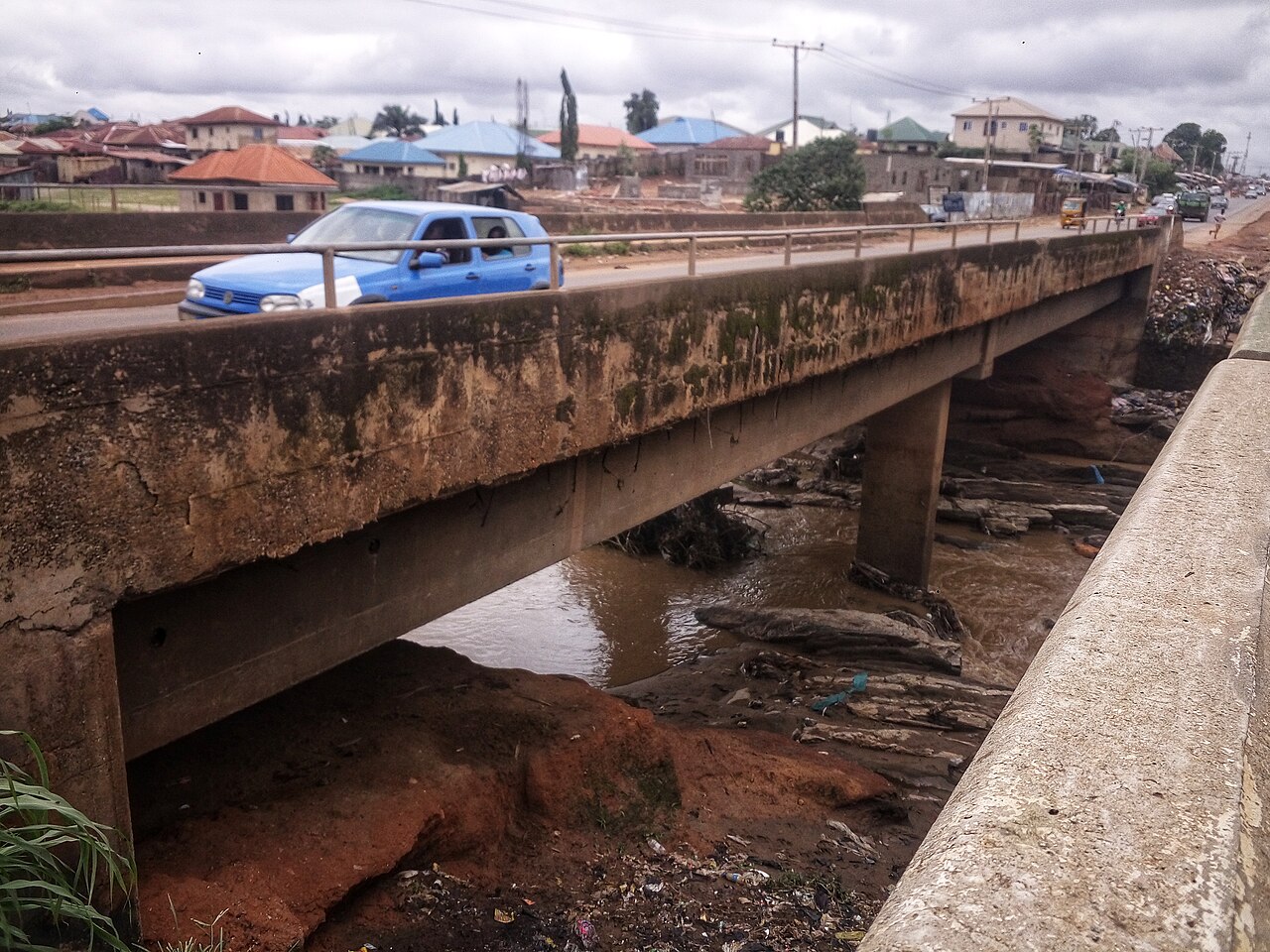
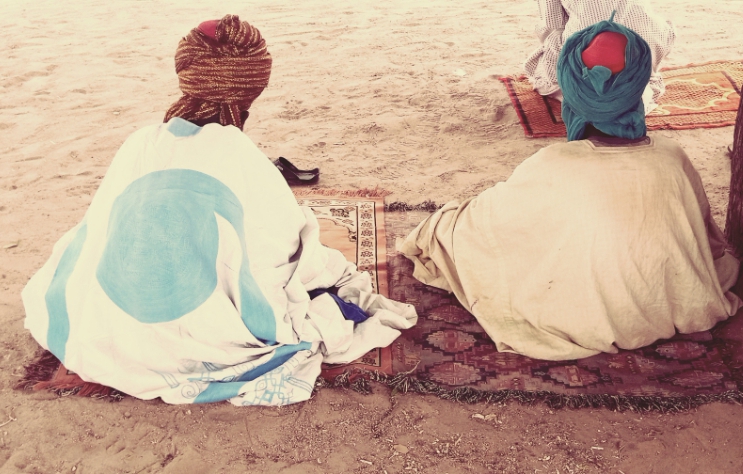
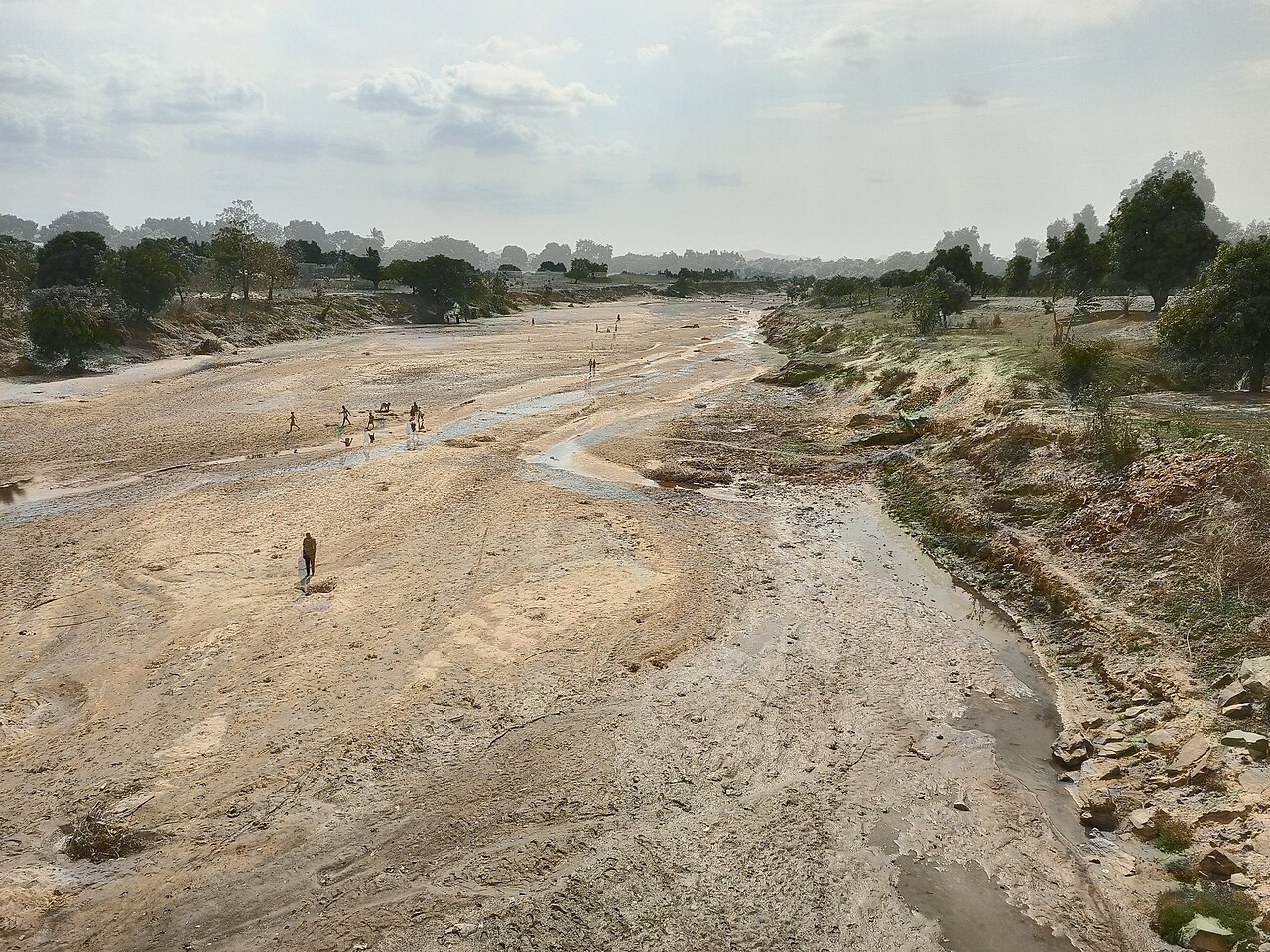
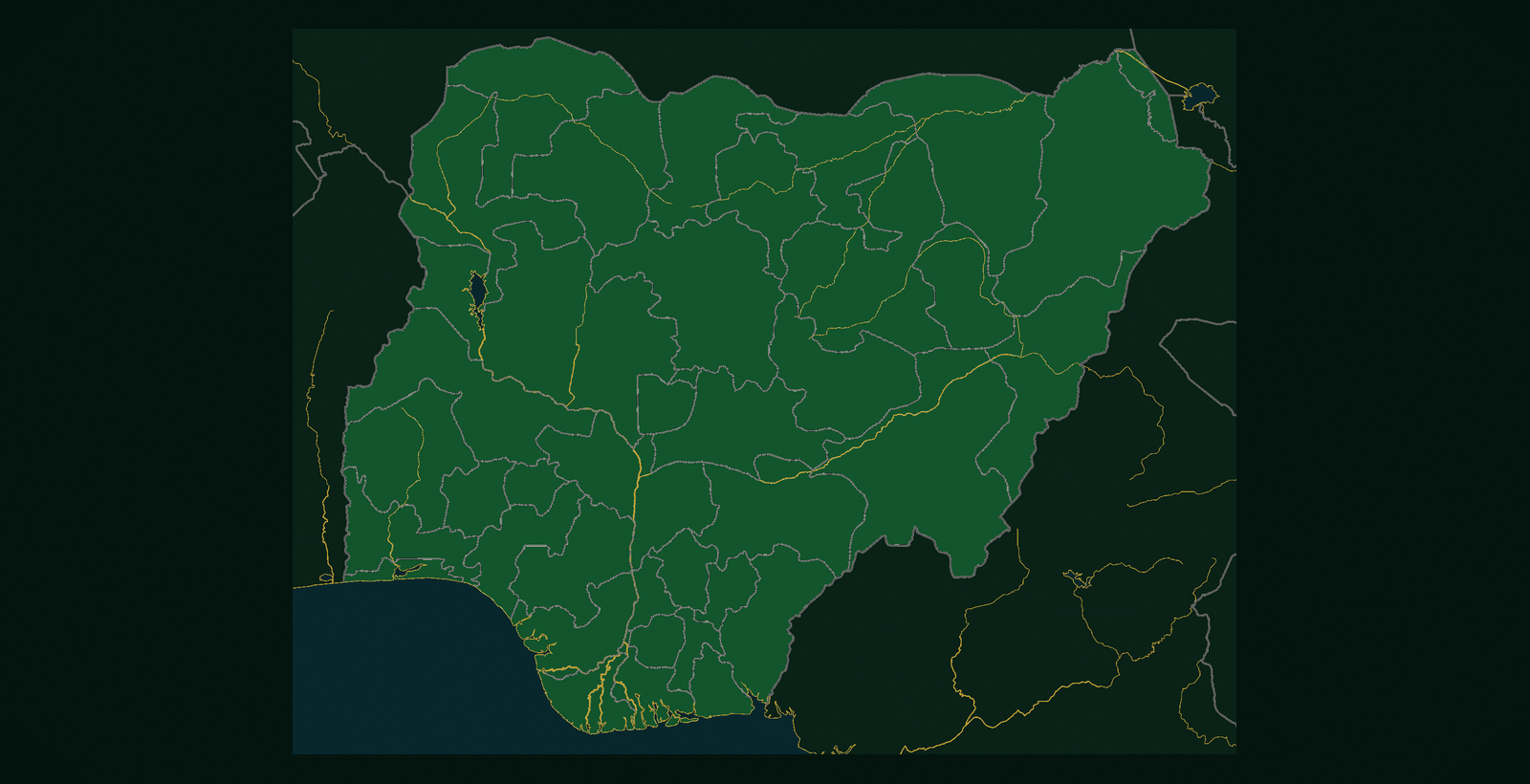
Nasarawa landscape
Lafia
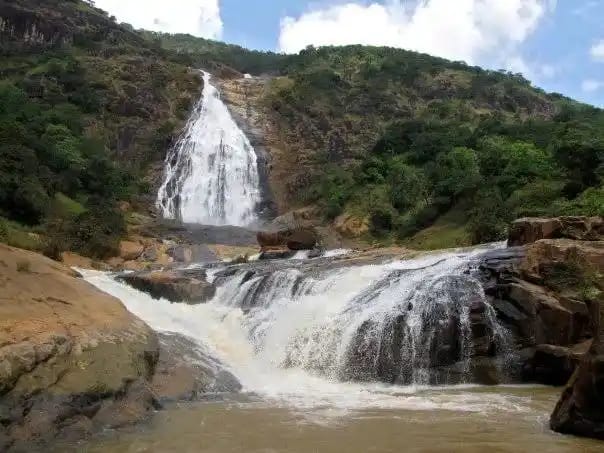
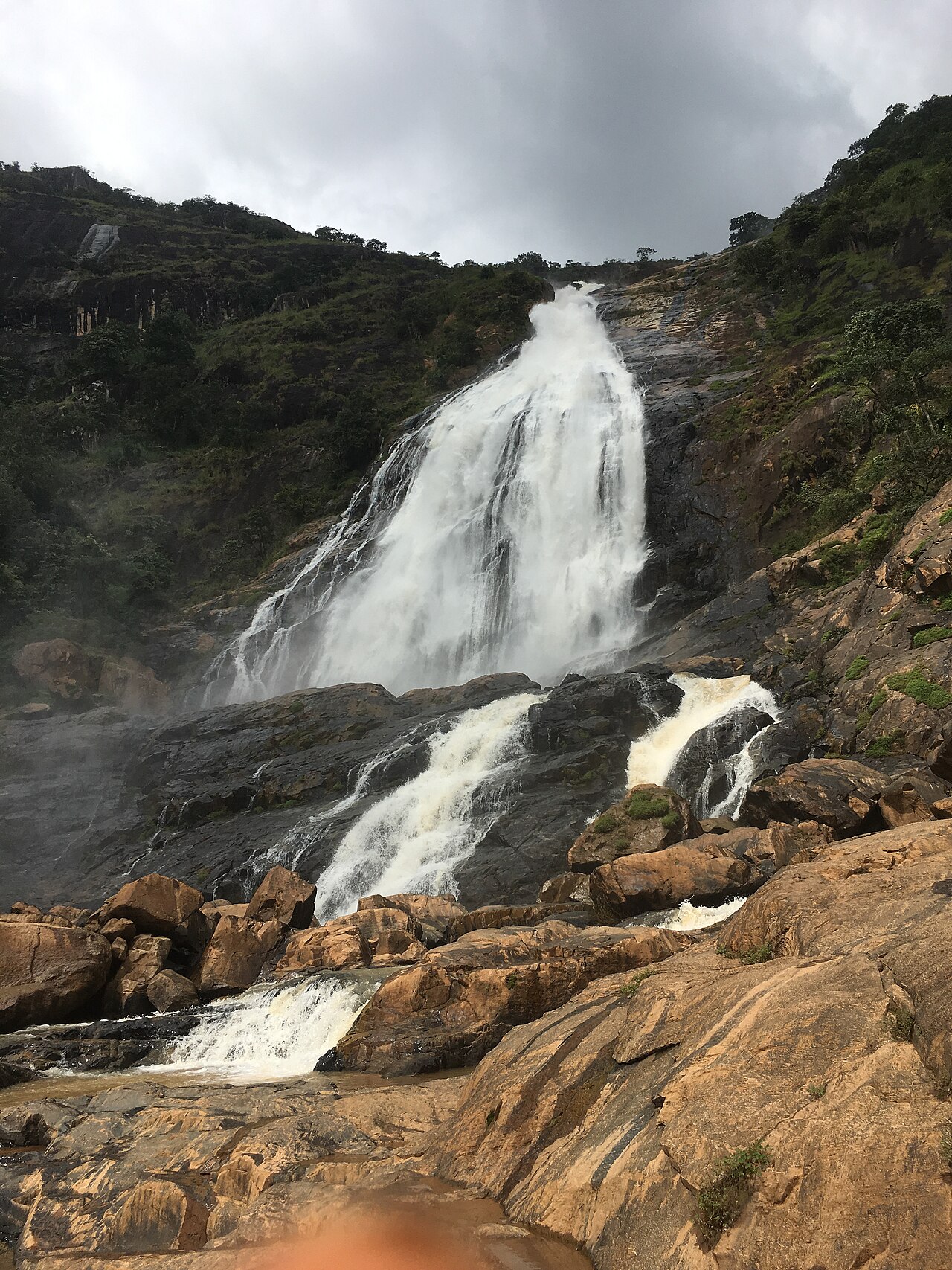
Farin Ruwa Falls
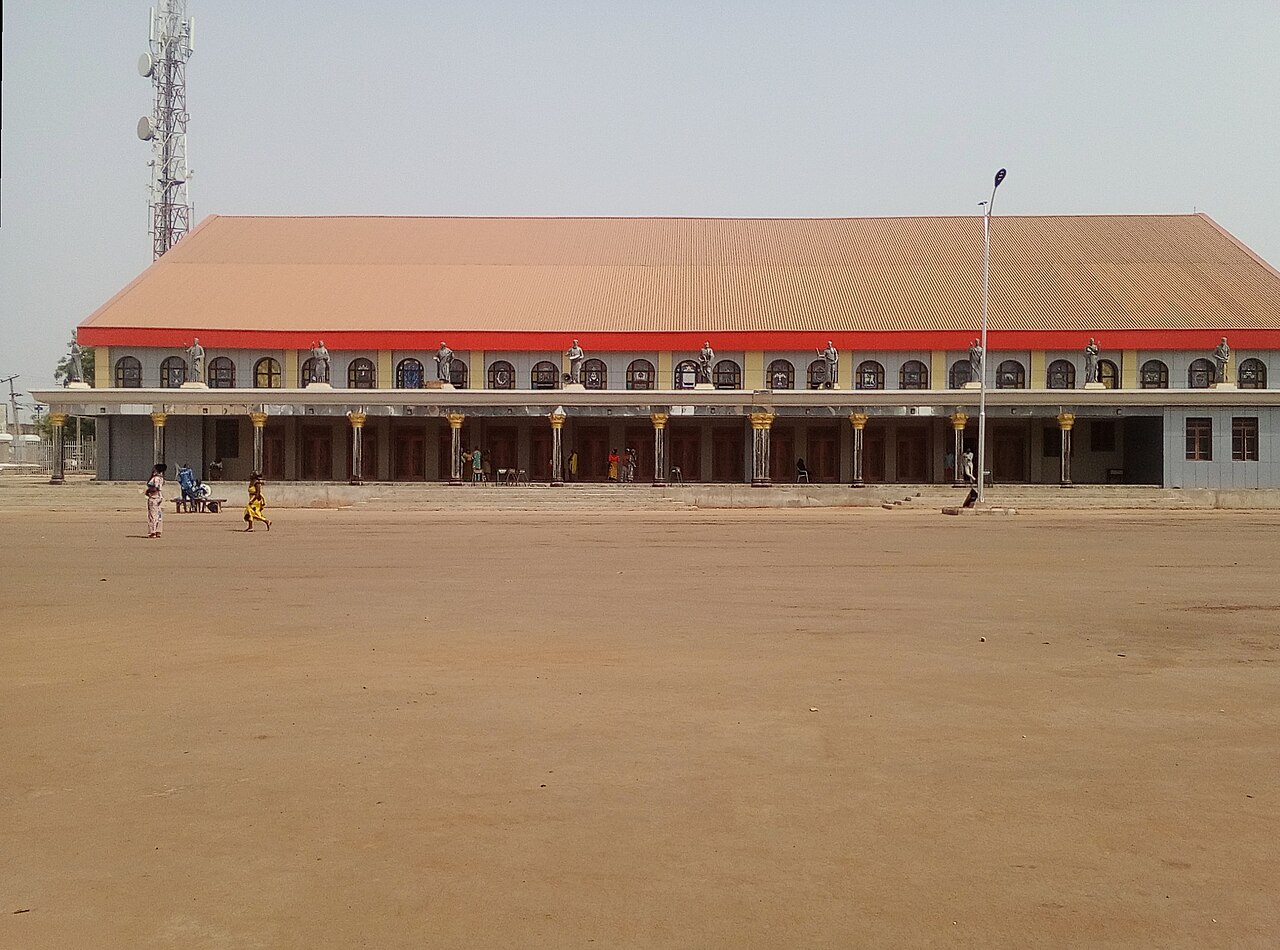
Keffi
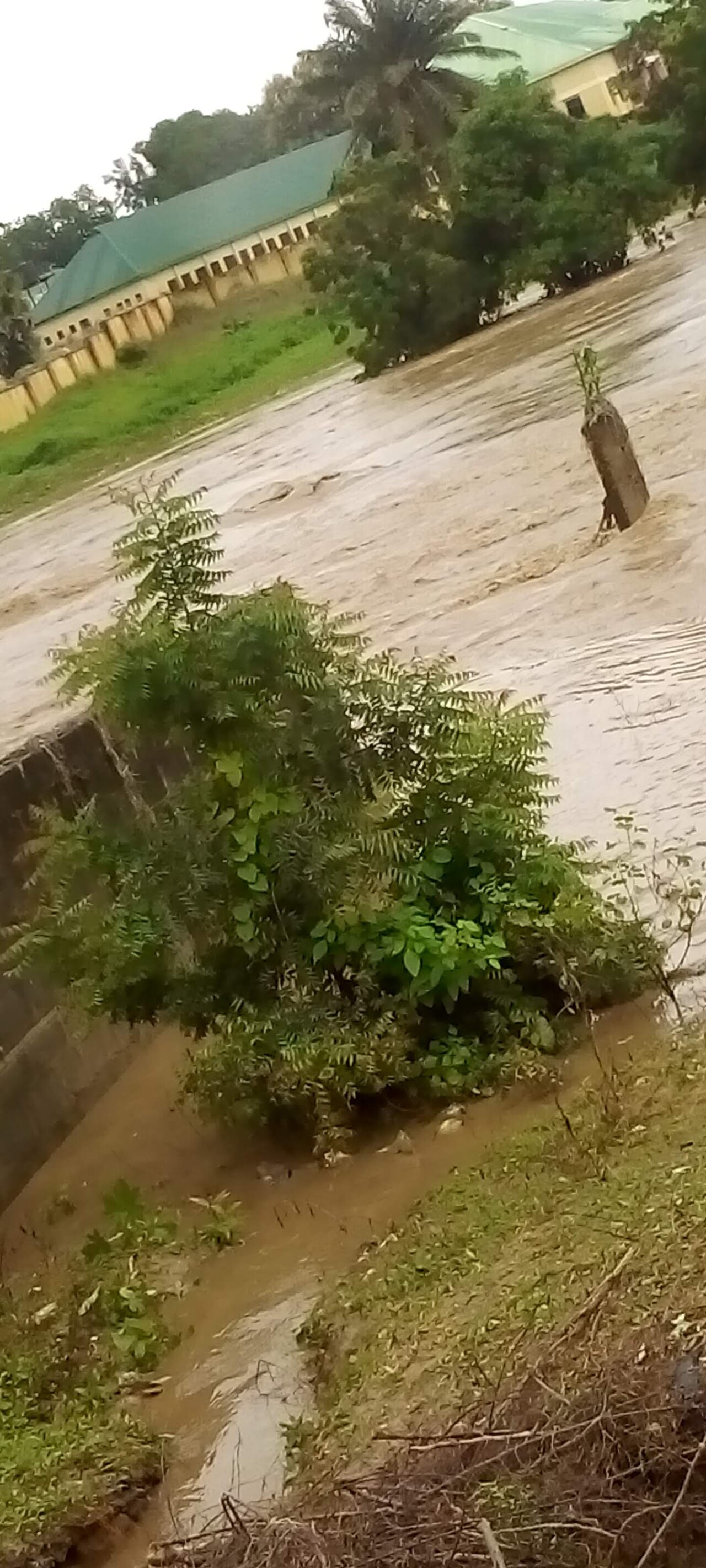
Keana salt works
North Central · Nasarawa

Nasarawa State

Home of Solid Minerals

A young state of old chiefdoms, lying between the plateau and the capital.

State at a glance
Capital
Lafia
Created
1 Oct 1996
Zone
North Central
Population
About 2.5 million (census estimates vary)
Land area
About 27,117 km²
Rivers & geography
Benue tributaries, including the Mada and related streams
The story behind the state

Hills, mines, and the Abuja neighbour

Nasarawa was created on 1 October 1996 from Plateau State, with Lafia as capital. It is a middle-belt mosaic of Eggon, Alago, Gwandara, Koro, Mada, Tiv, Hausa, Fulani, and others — farm hills and mineral ground next door to Abuja. The slogan Home of Solid Minerals points to tin, coal, and other deposits that have drawn miners and geologists more than mass tourism.

Lafia grew as an emirate town; Keffi, Nasarawa, and Karu (on the FCT edge) tell other urban stories. Farin Ruwa Falls, a high waterfall on the Nasarawa–Plateau border country, is the state's best-known natural monument. Traditional authority is plural: Lafia emirate, Eggon chiefdoms, Alago kingdoms, and others rather than one empire.

Because Abuja spilled into Karu, Nasarawa is also a commuter state. Heritage sits in palaces, waterfall spray, and the quiet work of minority languages next to a federal capital that can overshadow them.
Where did its name come from?
The state takes its name from Nasarawa town, itself often linked to nasara — a word used in Hausa for victory, Christians, or 'helpers,' depending on context and era. Local founding stories of the town mix dynasty and that vocabulary.

Treat neat one-word translations with caution. The 1996 state borrowed a town-and-emirate name for a much wider ethnic map.
History

A timeline you can follow

19th century · Towns and emirates

Lafia, Keffi, and Nasarawa developed as centres in the Benue–Plateau corridor under the pressures of the century's wars and trade.

Towns and emirates
1900s · Colonial Plateau Province

The area was administered with the tin-mining Jos world in various provincial arrangements.

Colonial Plateau Province
1976–1996 · Inside Plateau State

Lafia was a local government and emirate centre until statehood.

Inside Plateau State
1996 · Nasarawa created

1 October 1996, with Lafia as capital.

Nasarawa created
2000s · Abuja overflow

Karu and related towns grew as dormitory settlements of the FCT.

Abuja overflow
2000s– · Minerals and falls

Solid-minerals branding and Farin Ruwa tourism became public identity.

Minerals and falls
Peoples & cultures

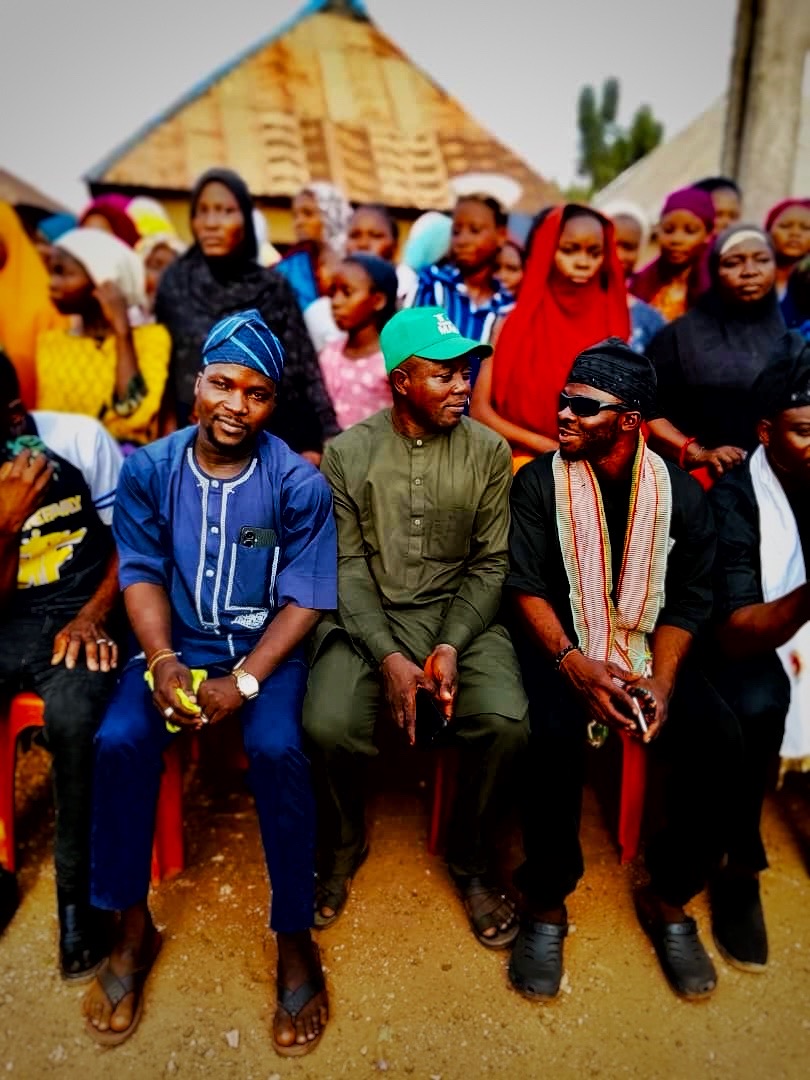
Eggon. A major group of the hills, with a strong chiefdom identity.

Eggon

Alago. Associated with kingdoms such as Keana (noted for salt) and related stools.

Alago

Gwandara, Mada, Koro, and others. Language communities of the central mosaic.

Gwandara, Mada, Koro, and others

Hausa, Fulani, and Tiv. Town, pastoral, and south-eastern farm neighbours.

Hausa, Fulani, and Tiv
Traditional kingdoms & rulers

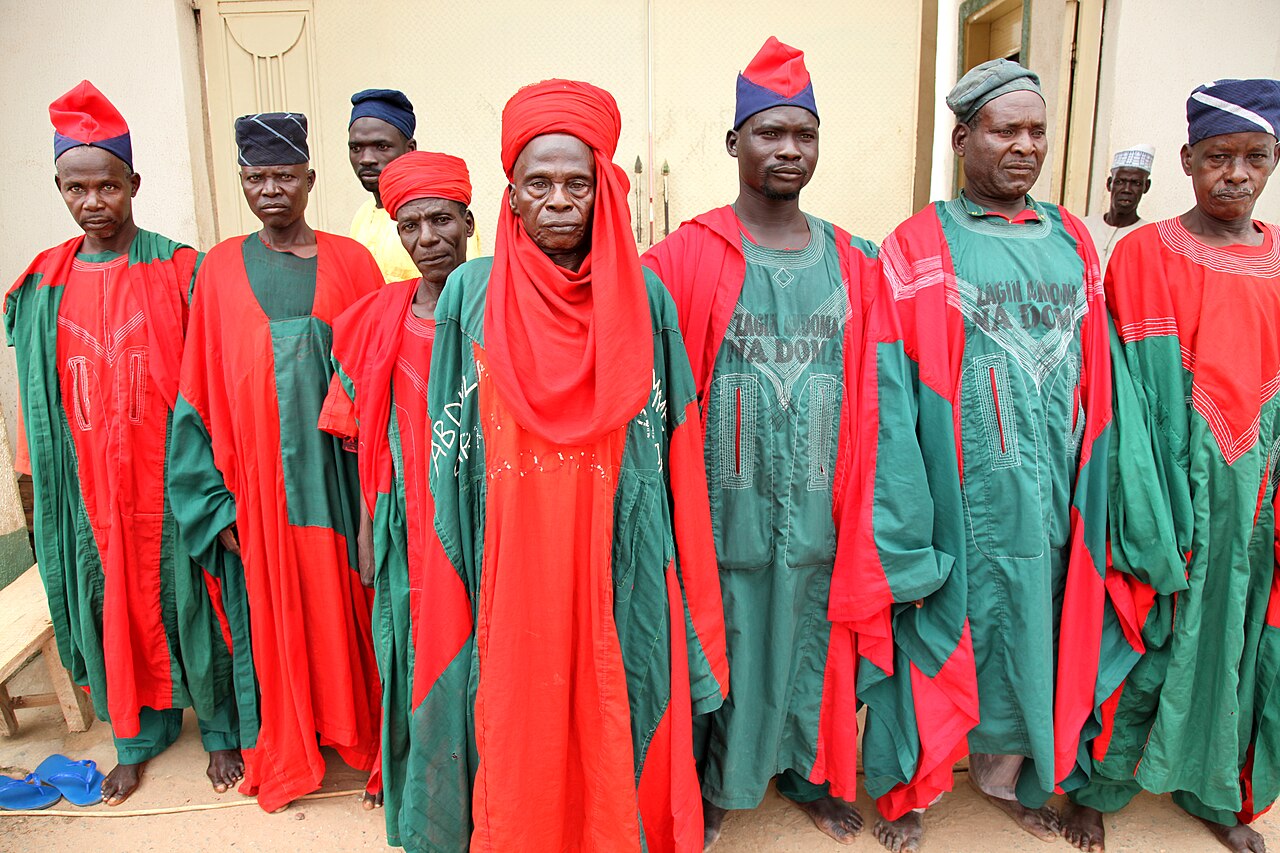
Lafia Emirate. The capital's traditional institution.

Lafia Emirate

Keffi and Nasarawa emirates. Historic Hausa-Fulani related stools of the west and centre.

Keffi and Nasarawa emirates

Eggon and Alago traditional states. Including Keana, known in heritage notes for salt production.

Eggon and Alago traditional states
Geography

The land under the silhouette

Nasarawa is Guinea savannah and hill country between the Jos Plateau escarpment and the Benue lowlands, with the FCT's plains on the west. Farin Ruwa drops from high ground in a forested gorge setting.

The climate is middle-belt. Mineral workings, farms, and new Abuja-overflow towns share the same watersheds.

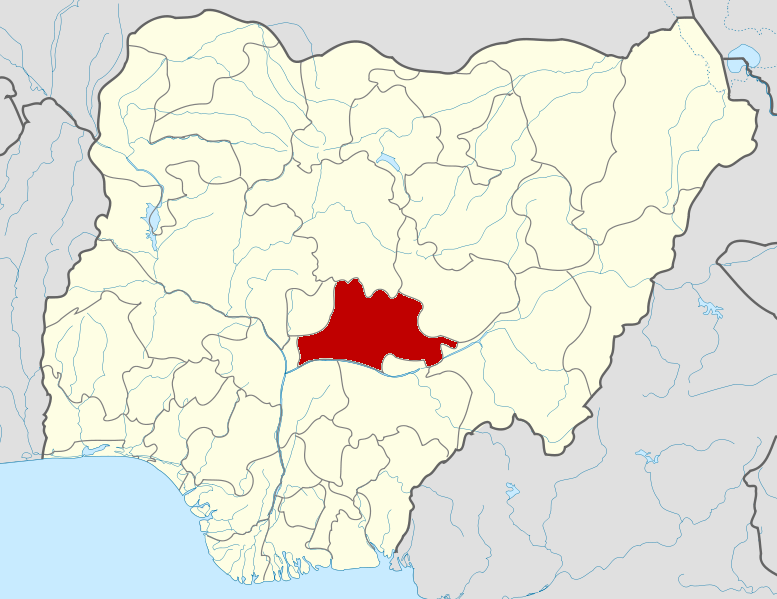
Neighbours: FCT, Kaduna, Plateau, Taraba, Benue, and Kogi

Watch the story

The Story of Nasarawa in 3 Minutes

A 2–3 minute faceless mini-documentary will live here. Editors can embed a YouTube film from the steward desk. Until then, the still maps and the written story carry the heritage.

Hear the story

Listen to Nasarawa

Audio narration (about 2–3 minutes) can be uploaded by an editor. Suggested opening: “Long before modern Nigeria existed, the lands we now call Nasarawa…”

Through the lens of history

Photographs with caption, date and credit

No archival photograph has been verified for this page yet. We do not invent historical images. Stewards can add credited photographs from the dashboard.

Places you should know

Travel Nasarawa

Lafia

Lafia

Lafia

Emirate capital of government and markets.

Political centre of Nasarawa.

Farin Ruwa Falls

Farin Ruwa Falls

Wamba / Plateau border highlands

A tall waterfall in a gorge setting.

Nasarawa's flagship natural monument.

Keffi

Keffi

Keffi

Historic town on the western approaches to Abuja.

Emirate urban heritage and a gateway settlement.

Keana salt works

Keana salt works

Keana

A historic salt-producing community of the Alago area.

A working heritage industry of the Home of Solid Minerals — here, salt as well as ores.

Nasarawa town

Nasarawa town

Nasarawa

The namesake emirate town.

Etymological hometown of the state title.

Karu / Mararaba corridor

Karu / Mararaba corridor

FCT border

Dense commuter towns spilling from Abuja.

Twenty-first-century urban heritage of a neighbour capital.

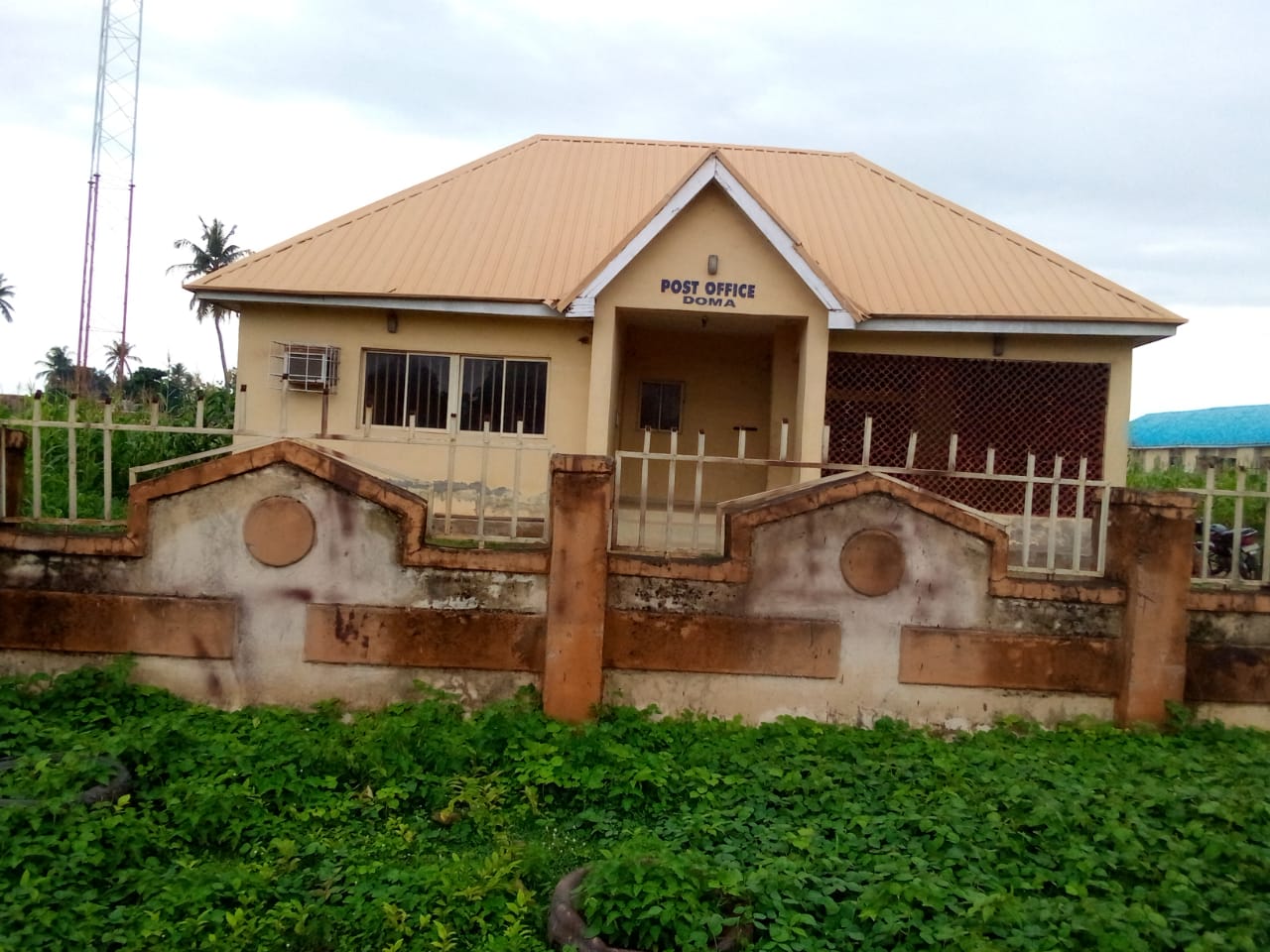
Doma

Doma

Doma

Town and traditional centre with a reservoir nearby.

Southern Nasarawa urban heritage.

Taste Nigeria

What does this state taste like?

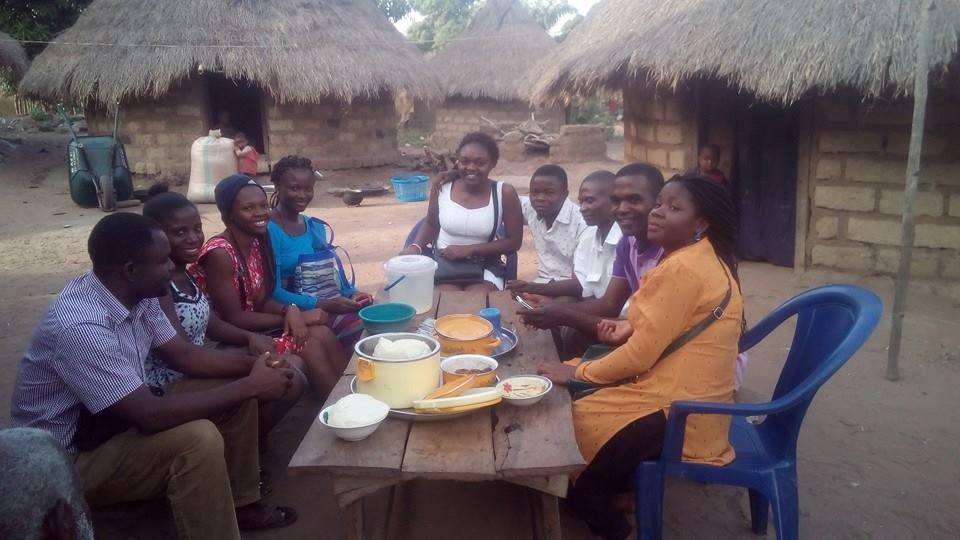
Middle-belt yam and soup meals

Middle-belt yam and soup meals

Ingredients. Yam, vegetable soups, meats or fish

Significance. Farm staple of Eggon and neighbours.

Traditionally eaten: Daily and festivals

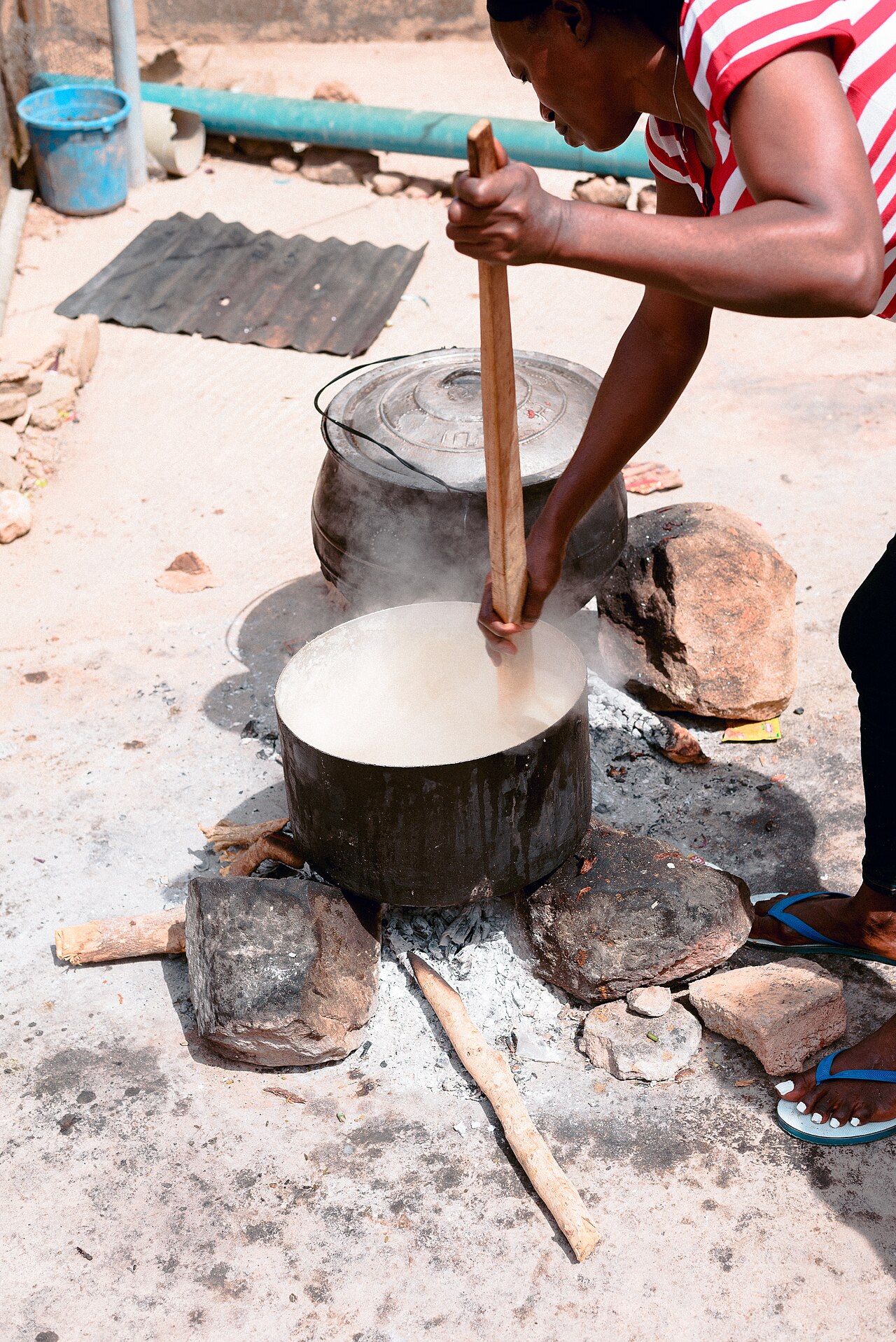
Tuwo and northern pots in the towns

Tuwo and northern pots in the towns

Ingredients. Grain dumplings and leaf soups

Significance. Emirate-town cooking in Lafia and Keffi.

Traditionally eaten: Main meals

Tiv-border farm foods

Tiv-border farm foods

Ingredients. Yam, sesame, local soups

Significance. South-eastern Nasarawa tastes toward Benue.

Traditionally eaten: Family meals

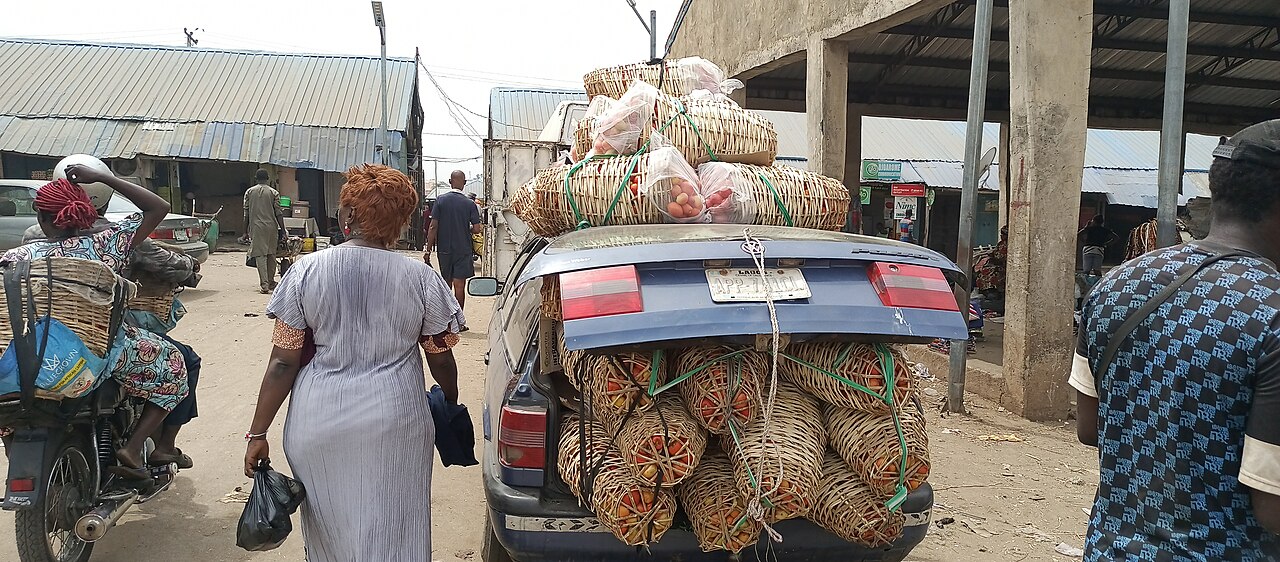
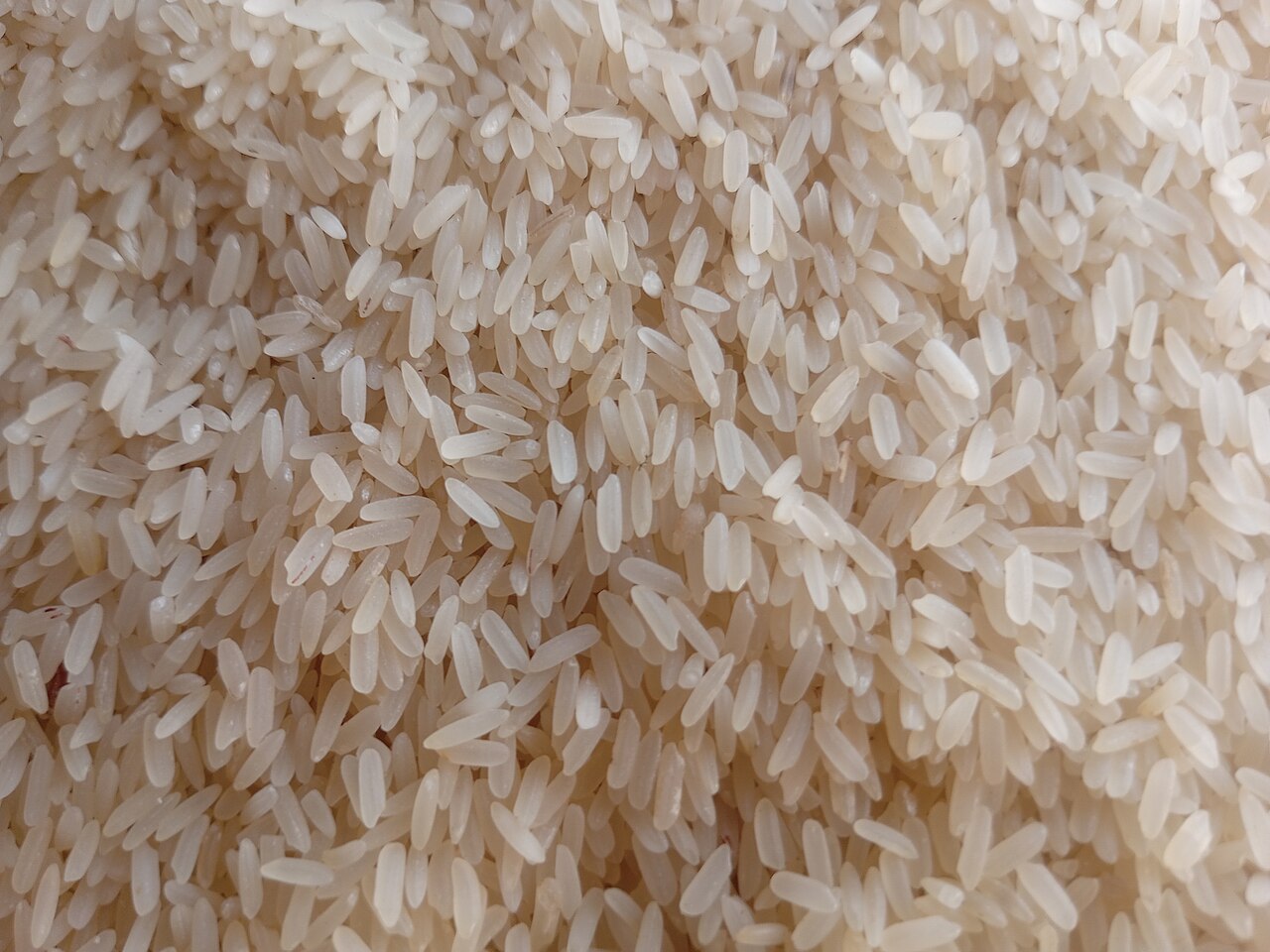
Market rice and river fish

Market rice and river fish

Ingredients. Rice, freshwater fish

Significance. Everyday capital cooking.

Traditionally eaten: Daily

Every state has a story. Sometimes, you can taste it.

Nigeria is alive with culture

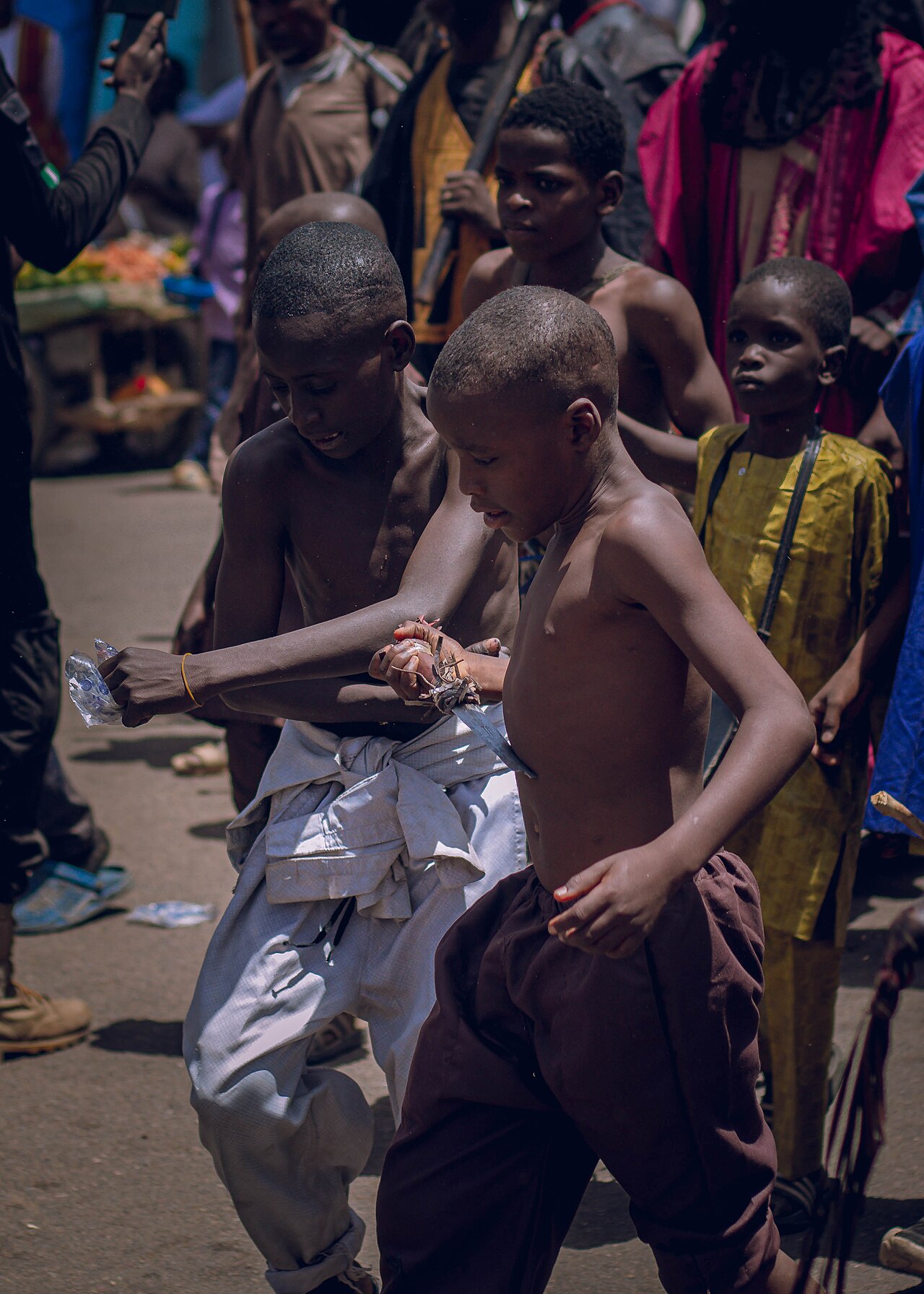
Festivals & living culture

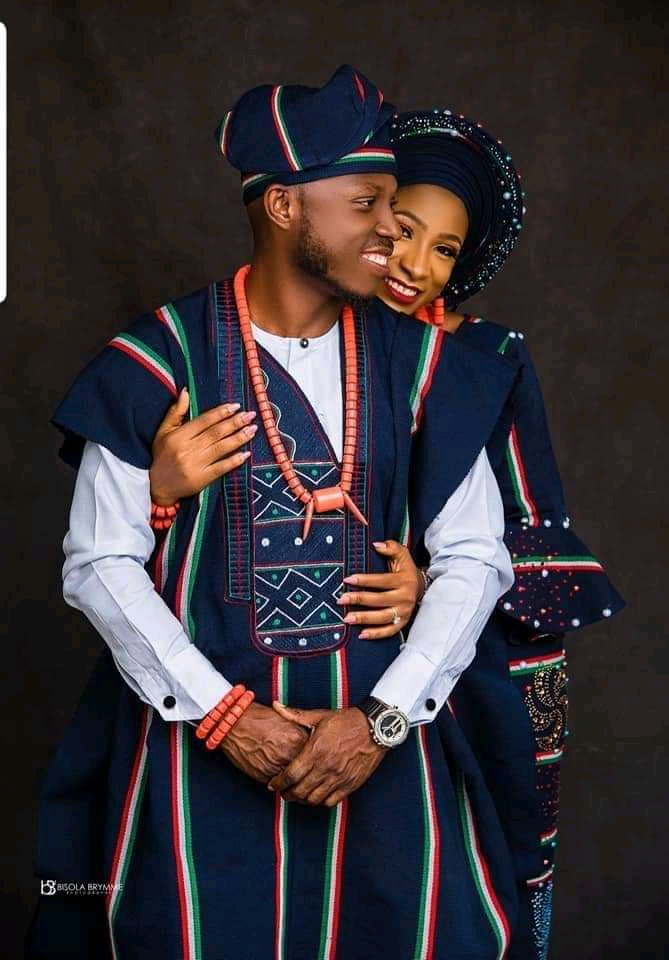
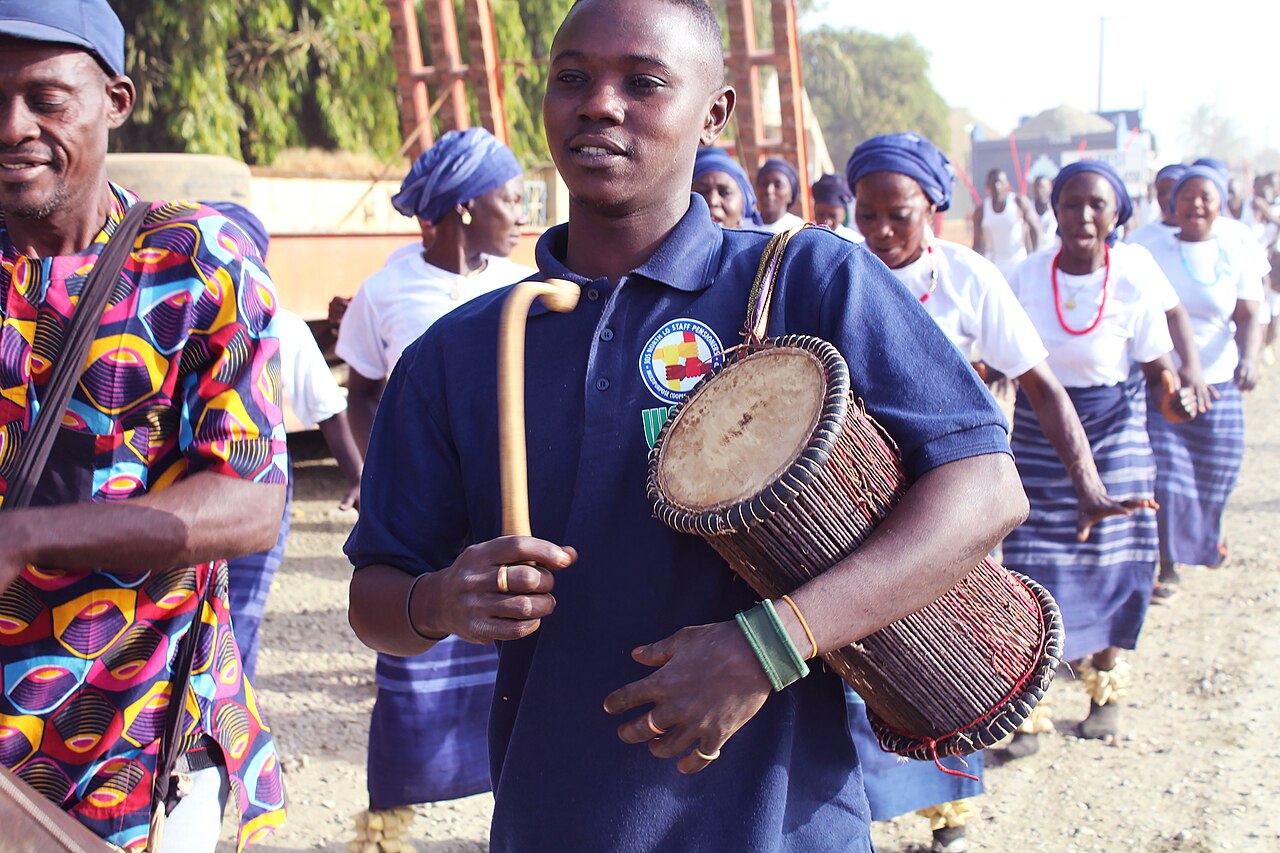
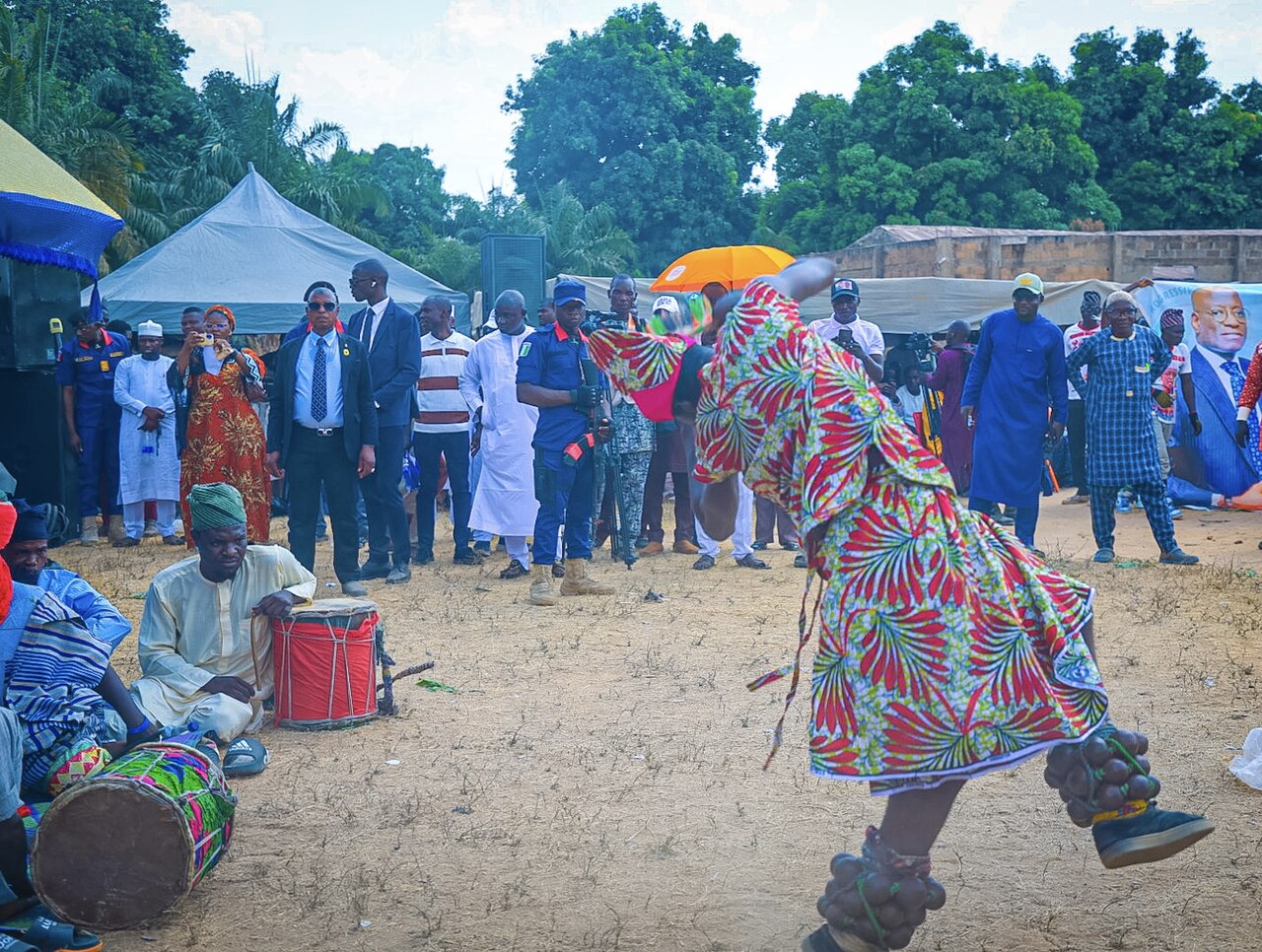
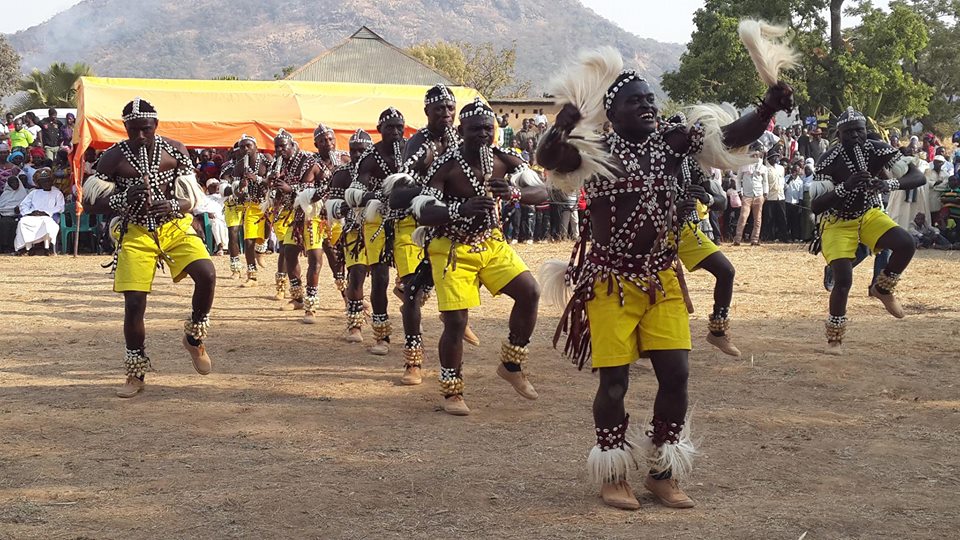
Eggon cultural festival

Eggon cultural festival

Dance, title, and harvest events of the Eggon nation.

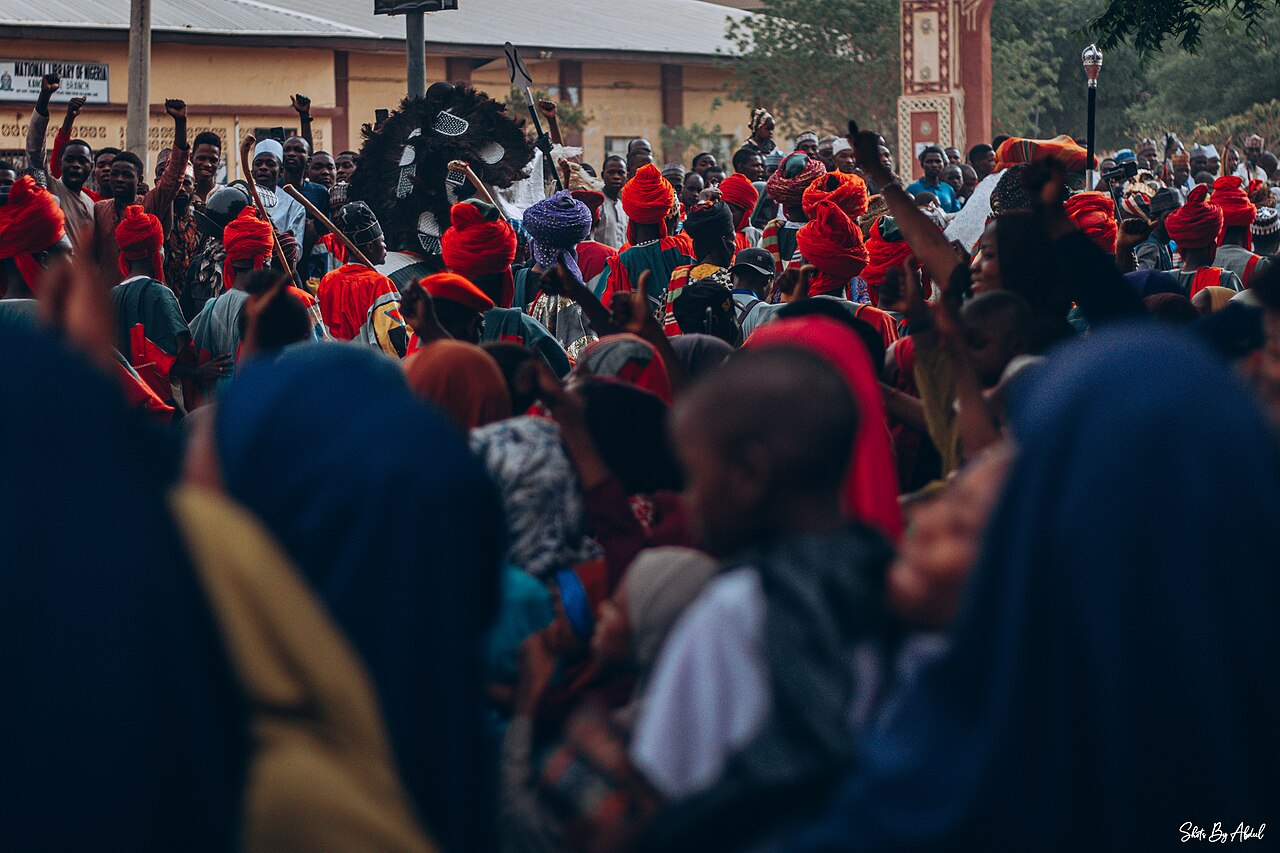
Emirate Eid / Durbar in Lafia and Keffi

Emirate Eid / Durbar in Lafia and Keffi

Palace gatherings of the Hausa-Fulani courts.

Alago and Keana cultural days

Alago and Keana cultural days

Including salt-community heritage display.

Asharuwa and related local rites

Asharuwa and related local rites

Community festivals (names and dates vary by chiefdom) that mark farming and initiation.

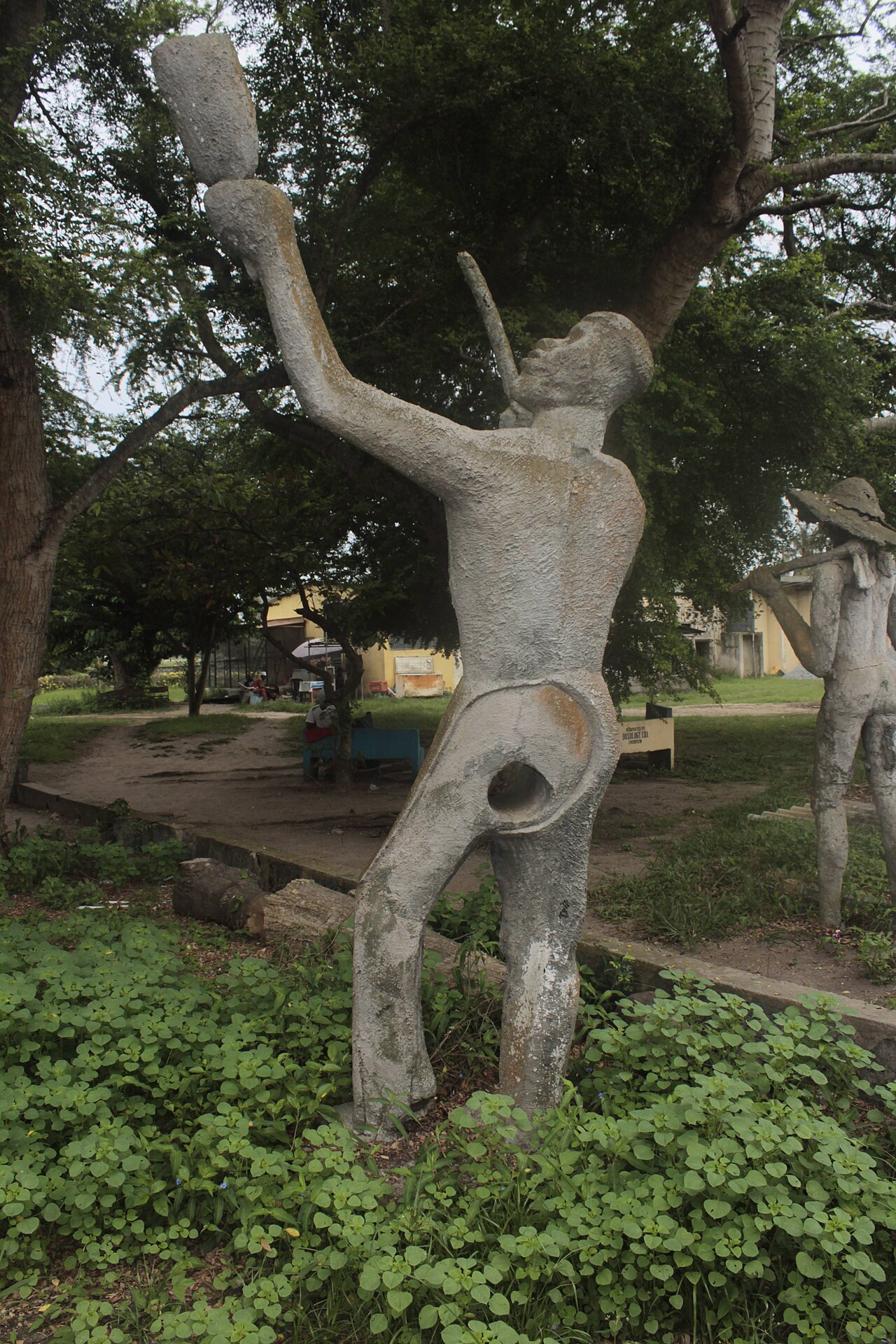
Arts & crafts. Nasarawa's arts are chiefdom dance, pottery, and the crafts of mining towns. There is no single palace bronze style. Farin Ruwa is landscape art. Contemporary Karu produces the popular visual culture of a border city — signage, churches, and markets — beside older masquerade where it survives.

Historical treasures. Farin Ruwa, salt at Keana, mineral geology, and minority languages are the treasures. Mining heritage includes environmental caution: solid minerals are not a treasure hunt for visitors. Palaces hold their own regalia.

How well do you know Nasarawa?

11 questions from this page

1. What is the capital of Nasarawa?
2. Which geopolitical zone includes Nasarawa?
3. Which nickname is widely used for Nasarawa?
4. When was Nasarawa created as a state (or designated as FCT)?
5. A well-known place associated with Nasarawa is:
6. A traditional food linked with this heritage page is:
7. A major people or cultural community here is:
8. A festival or living tradition on this page is:
9. Farin Ruwa is Nasarawa's best-known example of what?
10. Keana is historically noted for producing what?
11. Nasarawa State was created in 1996 from which state?
Build Nigeria Piece by Piece™

Collect the physical story

Nasarawa State Fridge Magnet · GBP 8.00

Each magnet carries a QR code that returns you here as a Heritage Explorer.

COLLECT NASARAWA →